
Accidents

Construction worker climbing a scaffold on a New York site where third-party contractors share responsibility for safety equipment maintenance.

Did Your Boss Cause Your Fall? Uncovering Third-Party Liability on Site

A serious fall on a construction site can change your life in seconds. Broken bones, spinal injuries, head trauma, and months—or years—of recovery often follow. For many injured workers, the physical pain is quickly compounded by frustration when they’re told there’s only one option for compensation: workers’ compensation. While workers’ comp is an important safety

Did Your Boss Cause Your Fall? Uncovering Third-Party Liability on Site Read More »

A construction worker on a high-elevation scaffold in New York, demonstrating the gravity-related risks protected under Labor Law 240.

When Gravity Turns Against You: Winning Claims Under NY Labor Law 240

Construction work in New York often requires working at heights, handling heavy materials, and relying on safety equipment designed to protect workers from one unavoidable force: gravity. When that protection fails, the consequences can be catastrophic. Falls from ladders, collapsing scaffolds, unsecured platforms, and objects falling from above are among the most dangerous and life-altering

When Gravity Turns Against You: Winning Claims Under NY Labor Law 240 Read More »

Aerial view of NYC traffic showing vehicles in multiple lanes, illustrating the environment where lane splitting and filtering occur.

Lane Splitting in NYC: Can You Sue if You Were “Filtering”?

Motorcycle riders in New York City know the reality of traffic all too well. Congested avenues, sudden lane changes, delivery vehicles double-parked without warning, and impatient drivers make navigating the city on two wheels uniquely challenging. In that environment, some riders choose to lane split or lane filter to move through stopped or slow-moving traffic.

Lane Splitting in NYC: Can You Sue if You Were “Filtering”? Read More »

Scene of a New York motorcycle crash on a busy highway where No-Fault medical coverage does not automatically apply.

The “No-Fault” Exclusion: Why NY Bikers Don’t Get Automatic Medical Coverage

A motorcycle crash in New York often creates two emergencies at once. The first is physical: pain, injuries, emergency care, and recovery. The second is financial, and it often creates just as many problems. Many injured riders assume that medical bills will be handled the same way they are after a car accident—through New York’s

The “No-Fault” Exclusion: Why NY Bikers Don’t Get Automatic Medical Coverage Read More »

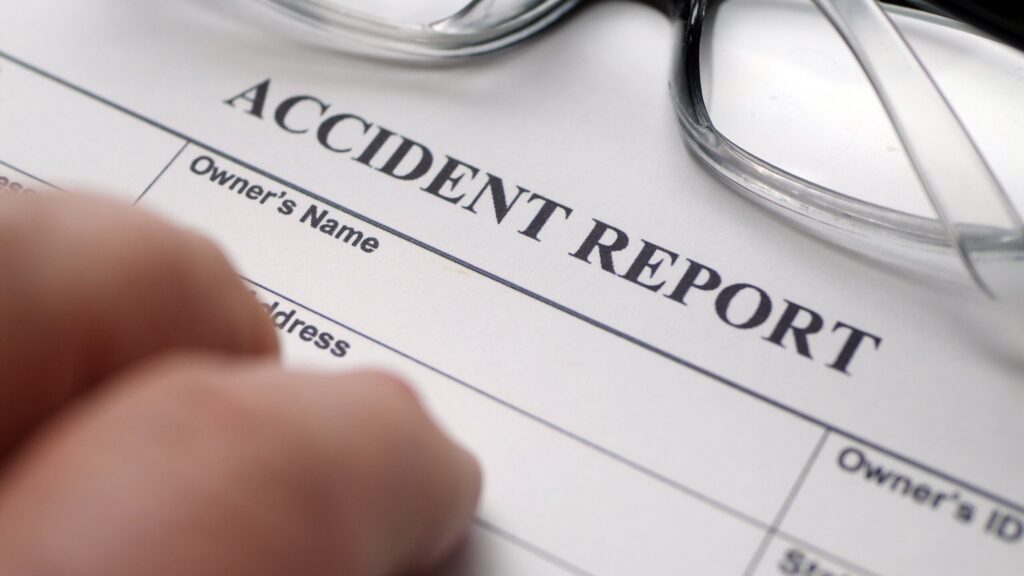
Person reviewing a slip and fall accident report, highlighting the strict Notice of Claim deadline for NYCHA housing cases in New York.

NYCHA Housing Fall Accidents: The Strict “Notice of Claim” Deadline That Can End Your Case Before It Starts

Slip and fall accidents inside New York City Housing Authority (NYCHA) buildings are far more common than many people realize. Broken stairs, crumbling concrete, wet floors, missing handrails, ceiling collapses, and long-ignored maintenance issues regularly put residents and visitors at risk. When someone is seriously injured in NYCHA housing, the physical pain is often followed

NYCHA Housing Fall Accidents: The Strict “Notice of Claim” Deadline That Can End Your Case Before It Starts Read More »

Snow being cleared from a New York sidewalk during active snowfall, illustrating the “storm in progress” defense.

The “Storm in Progress” Defense in New York: Why You Can’t Sue While It’s Snowing

Winter in New York City brings more than cold temperatures and snow-covered sidewalks. It also brings a surge of slip and fall injuries caused by icy walkways, untreated entrances, and hazardous pedestrian conditions. Every year, thousands of people are seriously hurt after slipping on snow or ice outside apartment buildings, storefronts, and commercial properties. Yet

The “Storm in Progress” Defense in New York: Why You Can’t Sue While It’s Snowing Read More »

Person slipping on an icy sidewalk in New York, illustrating landlord liability under NYC Administrative Code §7-210.

NYC Administrative Code §7-210: Why You Sue the Landlord, Not the City

Sidewalk accidents are among the most common—and most misunderstood—types of injury cases in New York City. Every year, pedestrians are injured after tripping on cracked concrete, slipping on icy patches, or falling because of uneven sidewalk conditions. When that happens, one question comes up almost immediately… Who is actually responsible for fixing the sidewalk—and who

NYC Administrative Code §7-210: Why You Sue the Landlord, Not the City Read More »

Red pedestrian signal illuminated at a New York crosswalk highlighting no-fault benefits for injured pedestrians.

No-Fault Benefits for Pedestrians in New York: You Don’t Need to Own a Car

Being struck by a vehicle as a pedestrian in New York can be deeply unsettling. Beyond the physical pain, many people experience immediate anxiety about something very practical: medical bills. One of the first questions that comes up is direct and overwhelming… “I don’t have car insurance… who is going to pay for all of

No-Fault Benefits for Pedestrians in New York: You Don’t Need to Own a Car Read More »