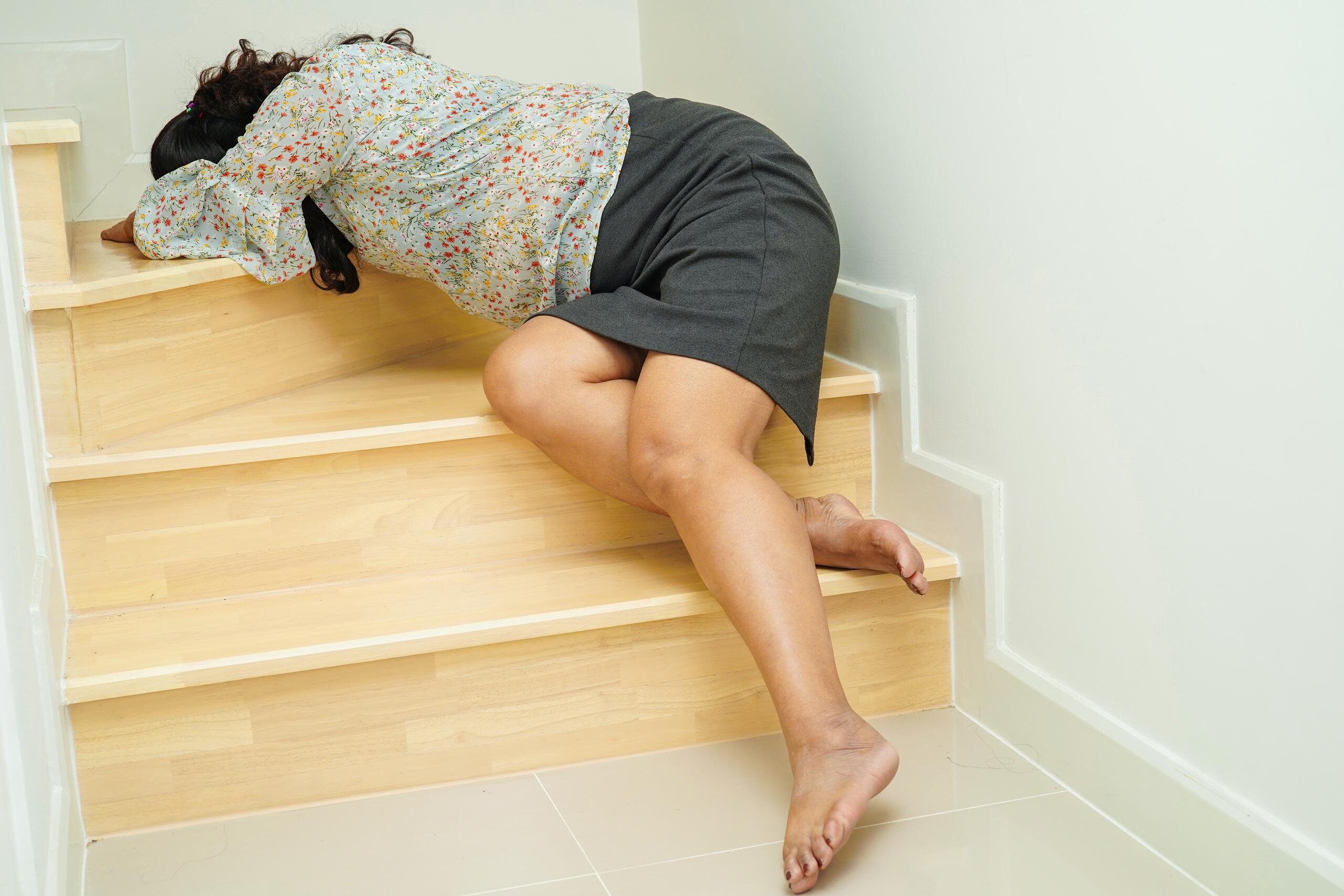
Slip and fall accidents inside New York City Housing Authority (NYCHA) buildings are far more common than many people realize. Broken stairs, crumbling concrete, wet floors, missing handrails, ceiling collapses, and long-ignored maintenance issues regularly put residents and visitors at risk.
When someone is seriously injured in NYCHA housing, the physical pain is often followed by confusion, frustration, and a very practical question… “How long do I have to sue NYCHA for this?”
The answer is more complicated than most people think, and the procedural details involved may cause many otherwise valid cases to quietly fail.
Unlike lawsuits against private landlords, claims against NYCHA are governed by strict procedural rules that leave little room for error. The most important of these is the Notice of Claim requirement, a deadline that can permanently bar your case if it is missed—or even if it is completed incorrectly.
Understanding how this process works, why NYCHA defends cases so aggressively on technical grounds, and what must be done early can make the difference between preserving your rights and losing them before the case ever reaches a courtroom.
Let’s take a deeper look into how NYCHA slip and fall cases work, what makes them different, and why timing and precision matter so much.
Key Takeaways: Suing NYCHA for a Slip and Fall
- Claims against NYCHA are subject to strict procedural rules that do not apply to private landlords.
- A Notice of Claim must usually be filed within 90 days of the accident.
- Errors or missing details—such as the exact building address or staircase location—can result in dismissal.
- NYCHA frequently defends cases based on technical defects rather than the merits of the injury.
- Speaking with a lawyer early can help protect deadlines, preserve evidence, and avoid procedural traps.
Why NYCHA Cases Are Different From Typical Slip and Fall Claims
In a standard slip and fall case against a private building owner, an injured person generally has up to three years to file a personal injury lawsuit under the New York statute of limitations. While evidence and witness memories may fade, the legal system allows time to investigate and evaluate the claim.
Cases involving the New York City Housing Authority (NYCHA) are different because NYCHA is a public housing authority, which means it is treated as a governmental entity for legal purposes. Lawsuits against governmental entities are governed by special statutes that require those entities to receive early notice of potential claims.
As a result, injured individuals must comply with New York General Municipal Law §50-e, which imposes strict notice requirements that apply regardless of how serious the injury is or how obvious the negligence may seem.
These rules exist to protect public entities—but they often catch injured residents off guard and leave them without legal recourse.
What Is a “Notice of Claim” and Why Is It Required?
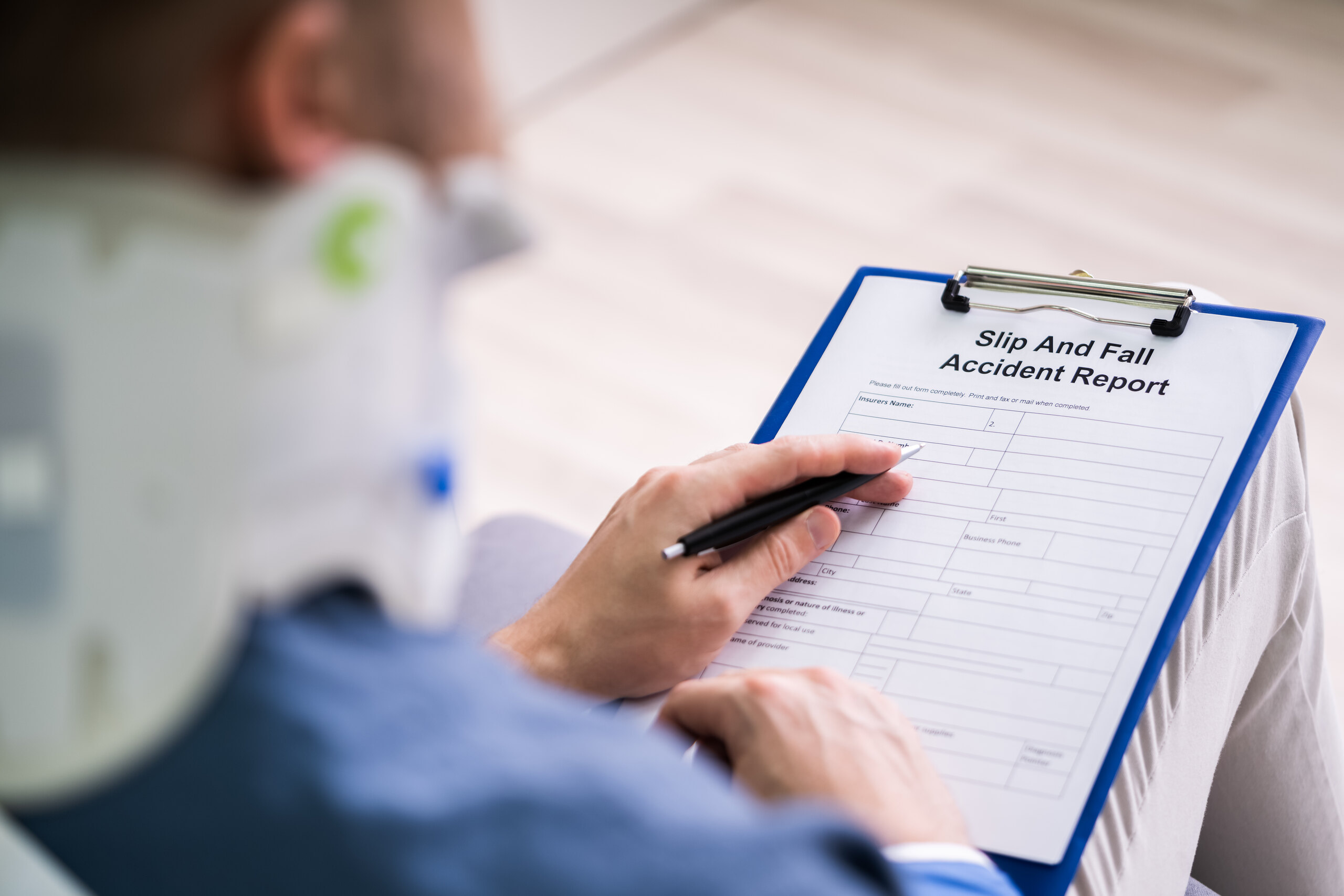
A Notice of Claim under Section 50-e is a formal legal document that alerts a public entity that someone intends to pursue a claim for injuries. It is not a lawsuit. Instead, it is a mandatory prerequisite to filing a lawsuit.
For NYCHA cases, the Notice of Claim must generally include:
- The claimant’s name and address
- The date and approximate time of the accident
- The exact location of the incident
- A description of how the accident occurred
- The nature of the injuries claimed
This document must be served on NYCHA within 90 days of the accident. If this step is not completed properly and on time, the court may never allow the case to move forward, no matter how dangerous the condition was.
The 90-Day Deadline: Why It Is So Dangerous
The 90-day Notice of Claim deadline is one of the most unforgiving procedural rules in New York personal injury law. Courts enforce it strictly, and NYCHA routinely moves to dismiss cases where the deadline is missed.
What makes this especially difficult for injured residents is that:
- Many people are hospitalized or recovering during this period
- Some injuries worsen over time and are not immediately diagnosed
- Residents may assume NYCHA works like a private landlord
- Insurance adjusters may not explain these requirements
By the time someone realizes that NYCHA is involved and special rules apply, the 90 days may have already passed. Once that window closes, reviving the claim becomes extremely difficult, and in many cases, impossible.
The Procedural Trap: Precision Matters More Than You Think
Even when a Notice of Claim is filed on time, errors in the document itself can still be fatal to an injury claim.
NYCHA operates hundreds of housing developments, many with multiple buildings, entrances, stairwells, elevators, and common areas. NYCHA attorneys frequently argue that a Notice of Claim is defective if it does not precisely identify the location of the accident. Examples of common issues NYCHA raises include:
- Failing to list the correct building number or address
- Omitting the staircase letter or floor level
- Describing the location too generally, for example, only saying “in the building stairwell”
- Listing the wrong housing development or entrance
NYCHA often argues that these deficiencies prevented it from properly investigating the claim. Courts sometimes agree, even when NYCHA clearly controls the property and the hazard existed. This is why these cases are often described as procedural traps—they can be lost based solely on paperwork.
What Happens After the Notice of Claim Is Filed?
Once a Notice of Claim is properly served, NYCHA has the right to demand a statutory hearing, known as a General Municipal Law §50-h hearing. This hearing takes place before any lawsuit is filed and usually involves:
- The injured person providing sworn testimony
- Questions from NYCHA’s attorneys
- Requests for medical authorizations or records
NYCHA uses these hearings strategically. Statements made during a 50-h hearing can later be used to challenge the claim, dispute the location, or argue that the condition was not as described. Preparing for this hearing is critical. Going in without guidance can unintentionally undermine an otherwise valid case.
Common Accident Scenarios in NYCHA Housing
Slip and fall and structural injury cases in NYCHA buildings often arise from long-standing maintenance problems. These are not isolated incidents but recurring conditions that affect many residents.
Common scenarios include falls caused by:
- Broken or crumbling stair treads
- Missing or loose handrails
- Wet or slippery lobby floors
- Uneven concrete in common areas
- Poor lighting in stairwells or hallways
- Leaking ceilings that collapse or drip water onto walking surfaces
- Ice accumulation near entrances due to drainage issues
In ceiling collapse cases, injuries may be compounded by falling debris, mold exposure, or electrical hazards—adding complexity to both the investigation and the legal claim.
Proving Negligence in a NYCHA Fall Case
Filing a Notice of Claim preserves the right to sue, but it does not automatically establish who was responsible for the fall. To succeed in a case against NYCHA, the injured person must still prove negligence. This typically requires showing that:
- A dangerous condition existed
- NYCHA knew or should have known about it
- NYCHA failed to repair or warn about the condition
- The condition directly caused the injury
In NYCHA cases, evidence may include maintenance records, prior complaints, work orders, inspection reports, photographs, and witness testimony. Obtaining and preserving this evidence quickly is essential, so it’s crucial to partner with a skilled NY slip and fall attorney as soon as possible.
Why NYCHA Defends These Cases So Aggressively
NYCHA is one of the largest public housing authorities in the country and faces a high volume of injury claims every year. As a result, its defense team approaches litigation with a strategy to limit exposure rather than resolving claims based on fairness or the severity of the injury.
In practice, this means NYCHA often concentrates on procedural and technical defenses long before it meaningfully addresses the dangerous condition that caused the accident. For example, rather than disputing whether a broken step, collapsed ceiling, or hazardous stairwell existed, NYCHA’s legal teams frequently look for reasons to dismiss a case outright.
Common defense strategies include arguing that the Notice of Claim was filed late, contained incorrect or incomplete information, or failed to identify the exact location of the accident with sufficient detail. Even small errors—such as listing the wrong building number, staircase letter, or entrance—can become the basis for a dismissal motion.
NYCHA may also argue that it lacked prior written notice of the defect, a defense that can be difficult to overcome without maintenance records, complaints, or other documentation showing the condition existed long enough to be discovered. In addition, NYCHA often disputes medical causation, questioning whether the accident actually caused the injuries claimed or whether they were preexisting.
Another critical point in these cases is the General Municipal Law §50-h hearing, where the injured person must testify under oath shortly after filing the Notice of Claim. Statements made during this hearing are frequently scrutinized and later used to narrow liability, challenge credibility, or argue inconsistencies—sometimes months or years later during litigation.
Because NYCHA’s defense strategy is highly procedural and detail-oriented, even claims involving serious injuries and clearly dangerous conditions can be derailed if early steps are not handled correctly. This is why careful preparation from the outset—particularly with respect to deadlines, documentation, and precise descriptions of the accident location—is essential in NYCHA fall cases.
Learn why, under NYC Administrative Code §7-210, sidewalk injury cases are often filed against the property owner—not the City—and how that distinction can make or break your claim.
How a Lawyer Can Help Protect Your NYCHA Claim
An experienced New York personal injury lawyer can help navigate these challenges by:
- Identifying NYCHA as the responsible entity earl
- Preparing and filing a detailed, accurate Notice of Claim
- Ensuring deadlines are met
- Preparing the injured person for a 50-h hearing
- Investigating maintenance and inspection records
- Preserving evidence before conditions change
NYCHA cases are not forgiving of mistakes. Early legal guidance can be the difference between preserving a claim and losing it on a technicality.
Frequently Asked Questions About NYCHA Slip and Fall Claims
How long do I have to sue NYCHA for a slip and fall?
Before you file a civil lawsuit, a Notice of Claim must be filed within 90 days of the accident. After that, additional deadlines must be met before a lawsuit can be filed. In general, New York law requires personal injury lawsuits to be filed within three years of the accident.
What if I didn’t know the building was NYCHA housing?
Courts generally still enforce the Notice of Claim deadline, even if the injured person was unaware that NYCHA owned or managed the property.
Can I fix mistakes in my Notice of Claim later?
Sometimes courts allow amendments, but this is not guaranteed. NYCHA frequently opposes corrections, making accuracy critical from the start.
What is a 50-h hearing, and do I have to attend?
A 50-h hearing is a sworn examination requested by NYCHA. Injured claimants’ attendance is typically required before they can file a lawsuit.
Do these rules apply to visitors, or only residents?
The Notice of Claim requirements apply to anyone injured on NYCHA property, including visitors, delivery workers, and guests.
Speak With an NYCHA Slip and Fall Lawyer at Omrani & Taub to Learn More and Protect Your Rights
Injuries in NYCHA housing are not just about unsafe conditions—they are also about navigating a legal process filled with deadlines and procedural hurdles. Waiting too long or filing the wrong paperwork can end a case before it ever begins.
If you or a loved one was injured in a fall, ceiling collapse, or other hazardous condition in NYCHA housing, speaking with a lawyer at The Law Offices of Omrani & Taub, P.C. can help you understand whether your rights are still protected and what legal options may be available.
Our team offers free consultations and bilingual assistance to help injured New Yorkers get clear, accurate guidance during a difficult time. Call 1-800-JUSTICE® to learn more and take the next step with confidence.