In New York City, not all roadways are created equal. While some highways are built to handle heavy commercial traffic, others are strictly reserved for passenger vehicles only.
One of the most dangerous—and entirely preventable—causes of serious vehicle crashes occurs when a commercial truck drives on a roadway where it is legally prohibited. For example, although commercial vehicles are not allowed to drive on NYC parkways, some drivers ignore the rules and cause serious collisions with law-abiding drivers.
For people injured in an accident caused by a truck on a parkway in NYC, a critical legal question often arises: Is the truck driver automatically at fault if the truck was not supposed to be there in the first place? In many cases, the answer may be yes under the legal doctrine of negligence per se.
This principle is particularly important under New York law and can fundamentally change how liability is evaluated when a truck enters a restricted roadway such as the Belt Parkway, the Grand Central Parkway, or the Hutchinson River Parkway. Let’s break down how these laws apply and what an injured accident victim needs to know.
Key Takeaways About Trucks on NYC Parkways and Negligence Per Se
- Commercial trucks are prohibited from New York City parkways, including the Belt Parkway and the Grand Central Parkway, due to well-documented safety risks.
- When a truck illegally drives on a parkway and causes an accident, the violation may constitute negligence per se under New York law.
- Negligence per se can automatically establish a breach of legal duty, simplifying the liability analysis.
- A permanent injury or fracture is not required for an accident to have serious legal consequences.
- Liability may extend beyond the driver to include the trucking company, particularly when there are failures in training, supervision, or route compliance.
- Gathering evidence quickly—such as GPS records, electronic data, and route signage—is often critical to proving the truck was where it did not belong.
- These cases are highly NYC-specific, making knowledge of local traffic laws and commercial vehicle parkway restrictions essential.
Why Trucks Are Banned From NYC Parkways
New York’s parkways were designed decades ago with a specific intended user: light, passenger-vehicle traffic. These roadways have physical characteristics that make them especially dangerous for large commercial vehicles, including:
- Low-clearance bridges
- Tight curves
- Narrow lanes
- Short entrance and exit ramps
- Little to no shoulder space
Because of these features, New York law strictly prohibits most commercial trucks from using parkways. These are not optional guidelines or administrative preferences—they are mandatory safety rules.
Despite clear signage and well-established commercial route maps, trucks continue to enter these roadways illegally, often with catastrophic results.
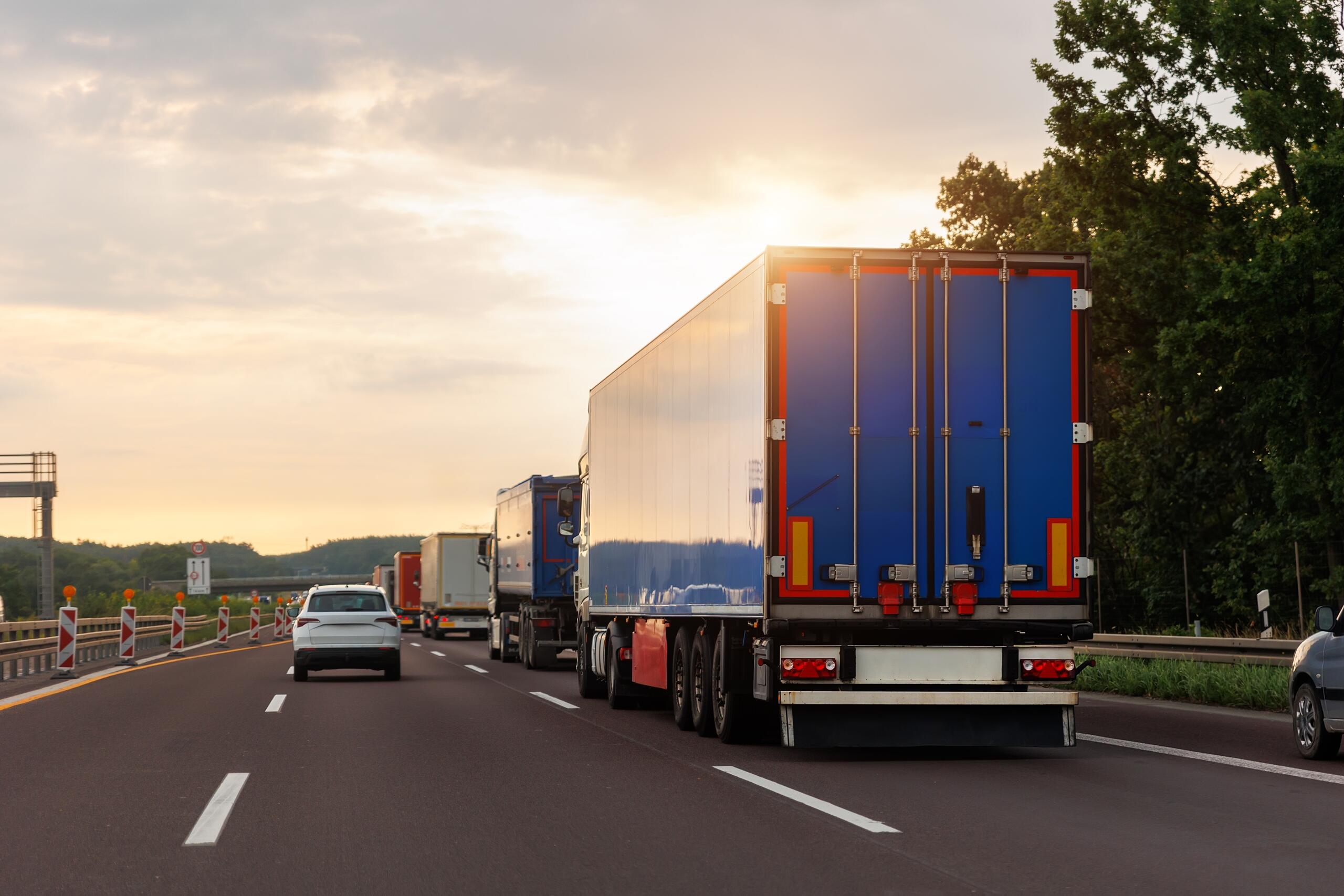
NYC Parkways Where Commercial Trucks Are Prohibited
Some of the most well-known roadways subject to commercial vehicle parkway restrictions in NYC include:
- Belt Parkway
- Grand Central Parkway
- Hutchinson River Parkway
- Bronx River Parkway
- Merritt Parkway (located in Connecticut but connected to the NYC parkway system)
Many of these routes contain bridges with clearances under 12 feet, making even mid-sized trucks a serious hazard.
What Is Negligence Per Se Under New York Law?
Ordinarily, proving negligence requires showing four legal elements: duty, breach, causation, and damages. The doctrine of negligence per se simplifies this process when certain conditions are met.
Under New York law, a party may be considered negligent per se when:
- They violate a statute or regulation designed to protect public safety
- The injured person is part of the class that the law was intended to protect
- The violation directly causes the injury
In the context of an illegal truck route accident, this means that if a truck was unlawfully driving on a prohibited parkway and caused a crash, the violation itself may automatically establish a breach of the duty of care.
Is Liability Automatic If the Truck Was on the Parkway?
Every case requires careful analysis, but a truck’s illegal presence on a parkway can be extremely powerful evidence of liability. When a truck driver ignores clearly posted route restrictions and causes a collision, courts may find that:
- The driver violated the traffic law
- The violation created a foreseeable risk
- The resulting crash was exactly the type of harm the law was designed to prevent
In these situations, legal disputes often focus less on whether negligence occurred and more on the extent of the injuries and damages.
Common Accidents Caused by Trucks on Prohibited Parkways
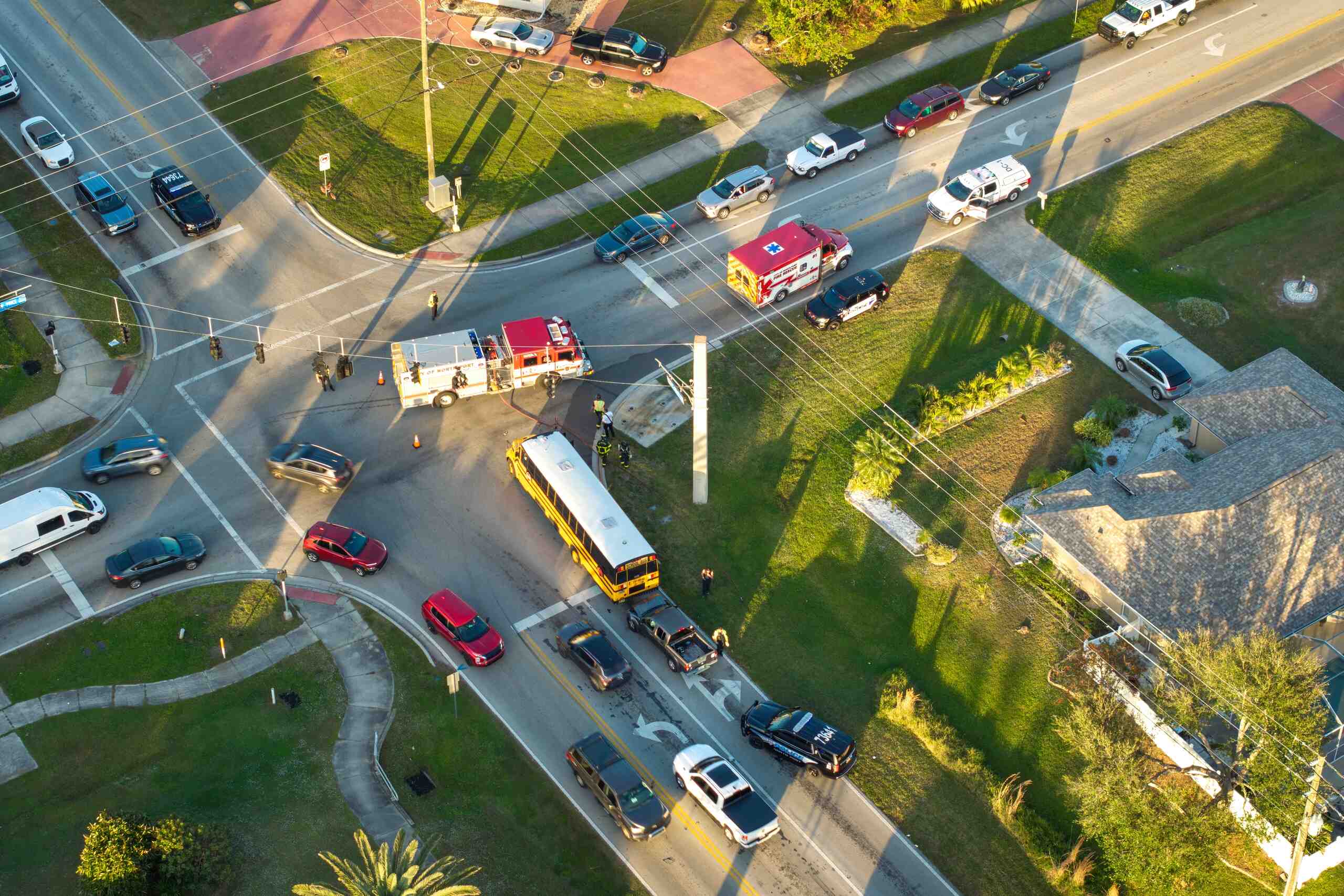
Crashes involving trucks on restricted roadways tend to be especially severe. Common scenarios include:
- Rear-end collisions caused by sudden braking
- Side-impact crashes due to limited maneuvering space
- Strikes against low-clearance bridges
- Trucks becoming wedged under bridges
- Chain-reaction collisions caused by sudden lane blockages
So-called hitting-bridge-abutment liability cases are particularly dangerous, placing motorists at risk while also causing roadway closures and infrastructure damage.
Why These Accidents Are Often More Severe
When a commercial truck operates on a roadway designed only for passenger vehicles, the margin for error disappears. The size and weight disparity between trucks and cars magnifies the force of any collision.
These accidents also tend to occur where:
- Traffic moves at consistent speeds
- Escape routes are limited
- Drivers do not expect to encounter large trucks
Together, these factors significantly increase the risk of serious injuries and multi-vehicle crashes.
The Role of the Trucking Company
Liability in a truck-on-parkway accident in NYC does not always stop with the driver. Trucking companies may also be held responsible, particularly when:
- Drivers were not properly trained on permitted routes
- Unrealistic delivery schedules encouraged dangerous shortcuts
- Route compliance was poorly supervised
- The company ignored prior route violations
In these cases, negligence per se may extend beyond the individual driver to the company itself.
Key Evidence in NYC Parkway Truck Accident Cases
Proving that a truck was illegally on a parkway typically requires multiple forms of evidence, including:
- Truck GPS records
- Electronic control module (ECM) data
- Crash scene photographs
- Police accident reports
- Posted route restriction signage
- Witness statements
This evidence helps establish both the truck’s location and its illegality on the roadway.
After a serious truck crash, critical black box data can disappear quickly—understand why sending a spoliation letter may protect key evidence in a New York case.
Can Insurers Argue the Violation Didn’t Cause the Crash?
Insurance companies often attempt to downplay traffic violations by arguing that the crash would have happened anyway. In negligence per se cases, this argument faces serious challenges.
If a truck was not legally permitted on the parkway and its presence created a dangerous condition that led to a collision, causation is often clear. The focus is whether the violation materially contributed to the crash, not whether it was the only factor involved.
Relevant Statistics on Illegal Trucks on NYC Parkways
While exact figures change year to year, NYPD and NYC DOT data consistently show recurring incidents involving trucks illegally entering parkways, particularly the Belt Parkway and the Grand Central Parkway.
These incidents frequently result in:
- Extended roadway closures
- Damage to public infrastructure
- Serious injuries to drivers and passengers
The persistence of the problem underscores why these laws exist and why violations carry significant legal consequences.
Negligence Per Se and Comparative Fault in New York
Even when negligence per se is established, New York’s comparative negligence system still applies. This means the conduct of other parties may be considered.
That said, a clear violation of a safety statute typically carries substantial weight in assigning fault—especially when the harm is precisely what the law was designed to prevent.
Why These Cases Require NYC-Specific Knowledge
Commercial vehicle route restrictions, the unique design of New York parkways, and the application of negligence per se make these cases highly jurisdiction-specific. Understanding how state statutes, local ordinances, and traffic regulations interact is essential to properly evaluating liability in these claims.
If you were involved in a collision with a truck that was illegally driving on an NYC parkway, speak to an experienced NYC parkway truck accident lawyer to learn more about your rights and options.
Frequently Asked Questions About Trucks on NYC Parkways
Is the truck driver automatically at fault if he was on the Belt Parkway?
In many cases, yes. When a commercial truck is prohibited from using the Belt Parkway and still enters that roadway, the driver may be considered negligent per se under New York law. This means the violation itself can establish a breach of the driver’s legal duty of care.
While every case depends on its specific facts, courts often view illegal use of a parkway as strong evidence of liability, especially if the resulting crash is the type of harm the law was designed to prevent.
Does this apply to all trucks?
Generally, these rules apply to commercial trucks that exceed the size, weight, or height limits permitted on parkways. Passenger vehicles, buses, and certain specialized vehicles are treated differently under the law. There are also very narrow exceptions for emergency vehicles or authorized maintenance vehicles. Outside of those limited circumstances, most commercial trucks are strictly barred from NYC parkways.
What if the truck’s GPS directed the driver onto the parkway?
Relying on GPS directions typically does not excuse a violation of clearly posted traffic laws. Truck drivers and trucking companies are expected to know and follow designated commercial routes, particularly in a city like New York, where parkway restrictions are well known and heavily enforced. Courts often find that blind reliance on GPS does not relieve a driver of responsibility when signage and regulations clearly prohibit truck access.
Can I bring a claim even if there was no direct collision with the truck?
Yes. Not all truck-related claims involve direct impact. Some accidents occur when drivers are forced to take evasive action, brake suddenly, or swerve to avoid a truck that should not have been on the roadway. Secondary crashes, chain-reaction collisions, and loss-of-control accidents can still give rise to legal claims if the truck’s illegal presence contributed to the dangerous situation.
Speak With a Dedicated Truck Accident Attorney at Omrani & Taub Before Assuming Your Crash Was “Just an Accident”
When a commercial truck illegally enters a New York parkway and causes a crash, the law may provide powerful tools for establishing liability. Negligence per se exists for precisely these situations—when a safety rule is violated, and the resulting harm is foreseeable.
If you or a loved one was injured in a truck-on-parkway accident in NYC, The Law Offices of Omrani & Taub, P.C. offers free consultations and bilingual support to help injured individuals understand how New York law may apply to their situation.
Call 1-800-JUSTICE® to get clear information and take the next step with confidence.