
Sidewalk accidents are among the most common—and most misunderstood—types of injury cases in New York City. Every year, pedestrians are injured after tripping on cracked concrete, slipping on icy patches, or falling because of uneven sidewalk conditions. When that happens, one question comes up almost immediately…
Who is actually responsible for fixing the sidewalk—and who can be held legally responsible when someone gets hurt?
Many people assume the answer is simple: the City of New York. After all, sidewalks feel like public property. But under New York City law, that assumption is often wrong.
Since 2003, NYC Administrative Code §7-210 has shifted most sidewalk liability away from the City and onto adjacent property owners, including landlords and commercial property owners. Understanding this law is critical for anyone injured in a sidewalk accident, because suing the wrong party can delay—or completely derail—a valid claim.
Let’s unpack how §7-210 works, why it matters, and how it affects who may be legally responsible after a sidewalk injury in New York City.
Key Takeaways: NYC Sidewalk Liability Under Administrative Code §7-210
- In most cases, adjacent property owners—not the City—are responsible for sidewalk maintenance and injuries under NYC Administrative Code §7-210.
- Property owners can be sued for sidewalk defects such as cracks, uneven slabs, or untreated ice and snow.
- Important exceptions exist, including owner-occupied one-, two-, or three-family homes and certain city-controlled defects.
- Identifying the correct responsible party early is critical to preserving evidence and protecting a sidewalk injury claim.
Why Sidewalk Liability in NYC Is Different
In many parts of the country, municipalities remain responsible for sidewalk maintenance and for injuries caused by them. New York City chose a different approach.
Before 2003, pedestrians injured on defective sidewalks often sued the City of New York. These cases were expensive to defend and maintain, and the City argued that it was unfair to hold taxpayers responsible for sidewalks adjacent to private property.
In response, the City Council enacted Administrative Code §7-210, sometimes referred to as a “shifting liability statute.” The law transferred both the duty to maintain sidewalks and legal liability for most sidewalk injuries to the owners of the properties next to those sidewalks.
This change dramatically altered how sidewalk accident cases are handled in NYC—and who can be sued.
What NYC Administrative Code §7-210 Actually Says
At its core, §7-210 provides that:
- Property owners are responsible for maintaining sidewalks in a reasonably safe condition.
- Property owners can be held liable for personal injuries caused by their failure to maintain the sidewalk.
- The City of New York is generally not liable for injuries caused by sidewalk defects covered by the statute.
This means that in most sidewalk injury cases, the legal focus shifts away from the City and toward the landlord or commercial property owner next door.
What Counts as a “Sidewalk Defect” Under the Law
Sidewalk liability cases often turn on whether a condition qualifies as a defect and whether it created an unreasonable risk to pedestrians. Common sidewalk conditions that may give rise to liability include:
- Cracked or broken concrete
- Uneven or raised sidewalk slabs
- Holes or depressions
- Deteriorated patches or prior repairs
- Accumulated ice or snow that was not reasonably addressed
- Improper drainage that causes recurrent slippery conditions
Not every imperfection automatically creates liability. Courts often look at factors such as the size, location, visibility, and duration of the condition, as well as whether the property owner had time to correct it.
Why You Usually Sue the Landlord, Not the City
Because of §7-210, most sidewalk injury claims are brought against the adjacent property owner, not the City of New York. This is true even though:
- The sidewalk is open to the public
- The City may perform inspections or issue violations
- The sidewalk “feels” like public space
From a legal standpoint, the duty to maintain the sidewalk—and the responsibility for injuries—usually rests with the property owner who benefits from the property. For injured pedestrians, this means the claim is often a premises liability case, not a lawsuit against a government entity.
Important Exceptions: When the City May Still Be Responsible For a Sidewalk Accident
While §7-210 is broad, it is not absolute. There are important exceptions that can change who may be legally responsible.
Owner-Occupied 1–2–3 Family Homes
The most significant exception involves owner-occupied one-, two-, or three-family residential properties used exclusively for residential purposes. If the property owner lives in the home and it meets these criteria, the City may still be responsible for sidewalk injuries in front of that property. In those cases, special rules and strict notice requirements may apply.
City-Owned Defects and Infrastructure
The City may also remain responsible for certain sidewalk-related hazards, such as:
- Defects caused by tree roots owned or maintained by the City
- Problems involving fire hydrants, utility access points, or other municipal structures
- Conditions created directly by City work or contractors
Determining whether a defect falls into one of these categories often requires investigating and reviewing city records. To better understand who may be responsible for your NYC sidewalk-related injury, speak with an experienced New York City personal injury lawyer who can review your story and explain your rights.
Why Identifying the Correct Defendant After an NYC Sidewalk Fall Matters So Much
Sidewalk accident cases in New York City are governed by strict procedural rules, and those rules depend heavily on who is legally responsible for the sidewalk where the injury occurred. Identifying the correct defendant early is not just a technical detail—it can determine whether a claim moves forward at all.
When a lawsuit is brought against the wrong party, the consequences can be serious. Deadlines may be missed before the mistake is discovered, required notices may never be filed, and valuable evidence may be lost while responsibility is being sorted out. In some cases, a claim can be dismissed entirely, even if the underlying injury was legitimate and preventable.
This issue is especially important in sidewalk cases because claims against the City of New York are governed by a very different set of rules than those against private property owners. Lawsuits involving the City often require special notices to be filed within a short time after the accident, sometimes measured in days or months rather than years. Failing to meet those requirements can permanently bar a claim.
By contrast, claims against landlords or commercial property owners typically follow standard personal injury timelines, but they still require careful investigation to determine ownership, control, and maintenance responsibilities.
Because NYC Administrative Code §7-210 shifted most sidewalk liability to adjacent property owners, determining whether that rule applies—and whether an exception exists—is one of the first and most important steps in evaluating a sidewalk injury case. Getting that analysis right from the beginning helps protect deadlines, preserve evidence, and ensure the claim is directed at the party the law actually holds responsible.
Common Sidewalk Accident Scenarios in NYC
Sidewalk injuries in New York City often happen during ordinary, routine activities—walking to work, running errands, or heading home at the end of the day. Because sidewalks are used constantly, hazardous conditions can blend into the background until a fall occurs.
Common sidewalk accident scenarios include situations such as:
Tripping over raised or uneven concrete slabs in residential neighborhoods, where years of wear, weather, or tree roots have caused sections of sidewalk to shift or crack. These conditions are especially dangerous because they are easy to miss while walking and often appear in areas people travel every day.
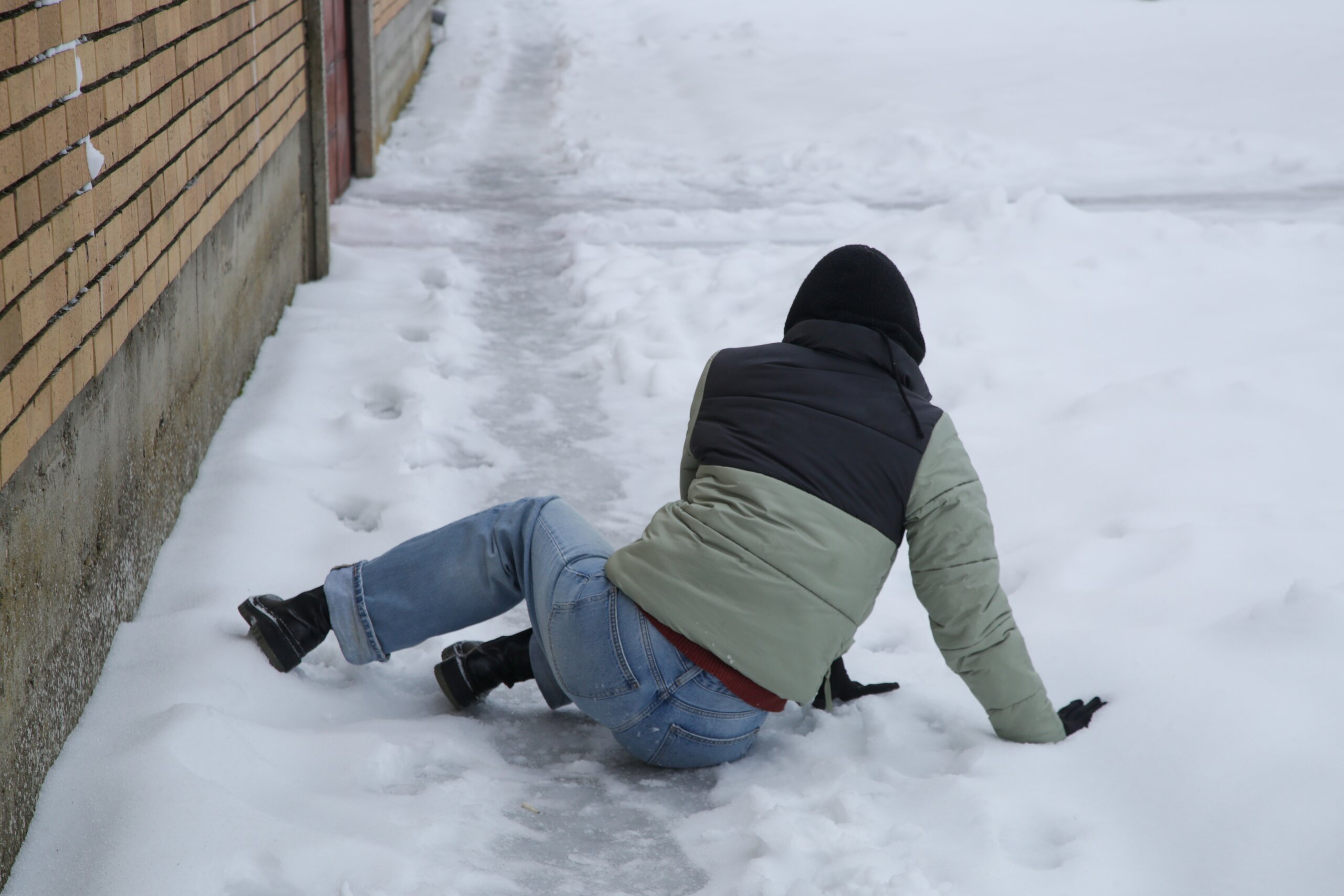
Slipping on ice or packed snow outside apartment buildings, storefronts, or office properties. In winter months, untreated sidewalks can become dangerously slick, particularly in the early morning or evening hours when foot traffic is heavy, and lighting may be limited.
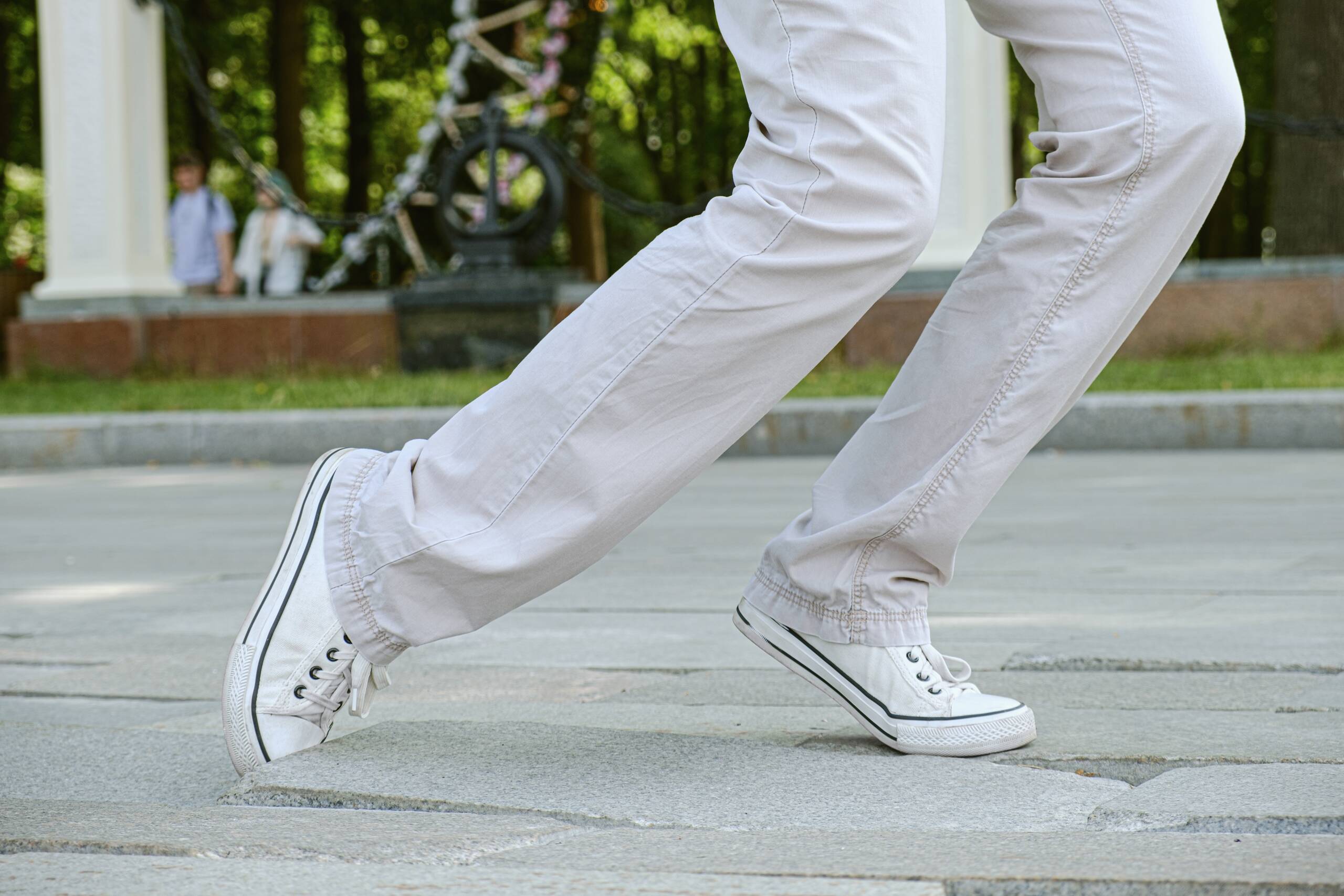
Pedestrians can be injured by uneven or poorly finished repairs near construction sites, where temporary patches, exposed edges, or changes in elevation create tripping hazards. These conditions may persist for weeks or months if not properly addressed.
Falls near restaurants, bars, and retail stores, where heavy foot traffic increases the risk of spills, tracked-in moisture, or worn walking surfaces. In these areas, property owners are expected to anticipate regular pedestrian use and maintain sidewalks accordingly.
Sidewalk defects near subway entrances, bus stops, and busy intersections present additional risks. These locations often combine uneven pavement, crowd congestion, and distractions, making even minor defects more likely to cause serious falls.
Each of these scenarios requires a careful, fact-specific analysis. Determining who owned or controlled the sidewalk, who was responsible for maintenance, how long the condition existed, and whether proper inspections were in place are all critical factors in evaluating responsibility under New York law.
Evidence That Matters in Sidewalk Liability Cases
Because sidewalk conditions can change quickly, quickly gathering evidence is often critical. Relevant evidence may include:
- Photographs or videos of the defect
- Measurements of height differentials or depth
- Weather records (for snow and ice cases)
- Property ownership records
- Maintenance logs or contracts
- Prior complaints or violations
- Witness statements
Many sidewalk defects are repaired shortly after an accident, which can make timely documentation especially important. The sooner you partner with a reputable injury law firm, the better chance they will have to build a strong legal claim on your behalf.
Comparative Negligence and Sidewalk Accidents
New York follows a comparative negligence system. This means a pedestrian’s conduct may be evaluated alongside the property owner’s to determine who can be held responsible for the fall.
However, the existence of comparative negligence does not eliminate a property owner’s duty to maintain a safe sidewalk. A pedestrian’s claim is not automatically barred simply because they were walking normally, distracted, or unfamiliar with the area. Each party’s conduct is assessed based on reasonableness under the circumstances.
Why Sidewalk Injury Claims Are Often Challenged by Insurers
Insurance companies representing landlords and property owners frequently contest sidewalk claims by arguing that:
- The defect was trivial
- The condition was open and obvious
- The owner lacked notice of the defect
- The pedestrian was not paying attention
These defenses are highly fact-dependent and often require a detailed evidentiary response. Well-documented claims grounded in a §7-210 analysis are better positioned to address these arguments and shift blame back to the responsible party and away from you.
How a NYC Sidewalk Accident Lawyer Can Help
An experienced NYC sidewalk accident lawyer can help protect your rights by:
- Identifying the correct responsible party under §7-210
- Determining whether an exception applies
- Preserving evidence before conditions change
- Reviewing property and city records
- Handling communications with insurers
- Explaining the legal process clearly at each stage
Sidewalk injury cases are not about blaming pedestrians; they are about understanding legal responsibility under a specific local statute.
Frequently Asked Questions About NYC Sidewalk Liability
Who is responsible for fixing the sidewalk in front of my house in Brooklyn?
In most cases, the adjacent property owner is responsible for sidewalk maintenance under NYC Administrative Code §7-210, unless the property is an owner-occupied one-, two-, or three-family home.
Can I sue the City of New York for a sidewalk accident?
Sometimes, but many sidewalk claims must be brought against the property owner instead of the City. Determining this depends on ownership, property type, and the nature of the defect. Share your story with a dedicated New York personal injury attorney to know whether you can bring a claim against the City.
What if the sidewalk defect was caused by a tree root?
Tree-root cases can be complex. If the tree is owned or maintained by the City, liability may remain with the City; however, these cases require careful investigation.
How long do I have to file a sidewalk injury claim?
Time limits depend on who is responsible. The general New York statute of limitations states that personal injury lawsuits must be filed within three years of the accident. However, claims involving the City often have much shorter deadlines than claims against private property owners.
Speak With a NYC Sidewalk Accident Lawyer at Omrani & Taub to Learn More
Sidewalk injuries in New York City are governed by a unique and highly specific legal framework. Understanding NYC Administrative Code §7-210 is essential to determining who may be responsible and how a claim should proceed.
If you were injured on a sidewalk in New York City, speaking with our injury lawyers can help you understand whether the law allows you to seek compensation and which party may be responsible.
The Law Offices of Omrani & Taub, P.C. offers free consultations and bilingual assistance for injured pedestrians seeking clear, accurate information about their legal options. Call 1-800-JUSTICE® to learn more and take the next step with confidence.