In 2024, New York City changed a long-standing traffic rule: crossing the street outside of a marked crosswalk—commonly known as jaywalking—is no longer a criminal offense. For many New Yorkers, the change felt like official recognition of everyday reality: people cross streets practically, not always perfectly.
But this legal shift has also created significant confusion, especially for people injured in pedestrian accidents. One question comes up again and again:
“If jaywalking is legal in NYC now, does that mean it isn’t my fault if a car hits me?”
The short answer is: not necessarily.
While police officers no longer issue jaywalking tickets, that does not mean a driver—or their insurance company—cannot argue that a pedestrian shared responsibility for an accident. In personal injury cases, civil liability works very differently from traffic law enforcement or criminal charges.
Let’s dig into that distinction to explain what to expect if you were injured as a pedestrian in New York City.
Key Takeaways About Jaywalking in NYC
- Jaywalking is legal in NYC, but that does not mean a pedestrian automatically wins a personal injury case after being hit by a car.
- Civil liability is different from traffic enforcement—a driver or insurer can still argue that a pedestrian shared responsibility for an accident.
- New York’s comparative negligence rules still apply, meaning fault can be divided between the pedestrian and the driver.
- Evidence and context matter more than legality alone, including driver behavior, speed, visibility, and reaction time.
What Actually Changed With NYC’s Jaywalking Law?
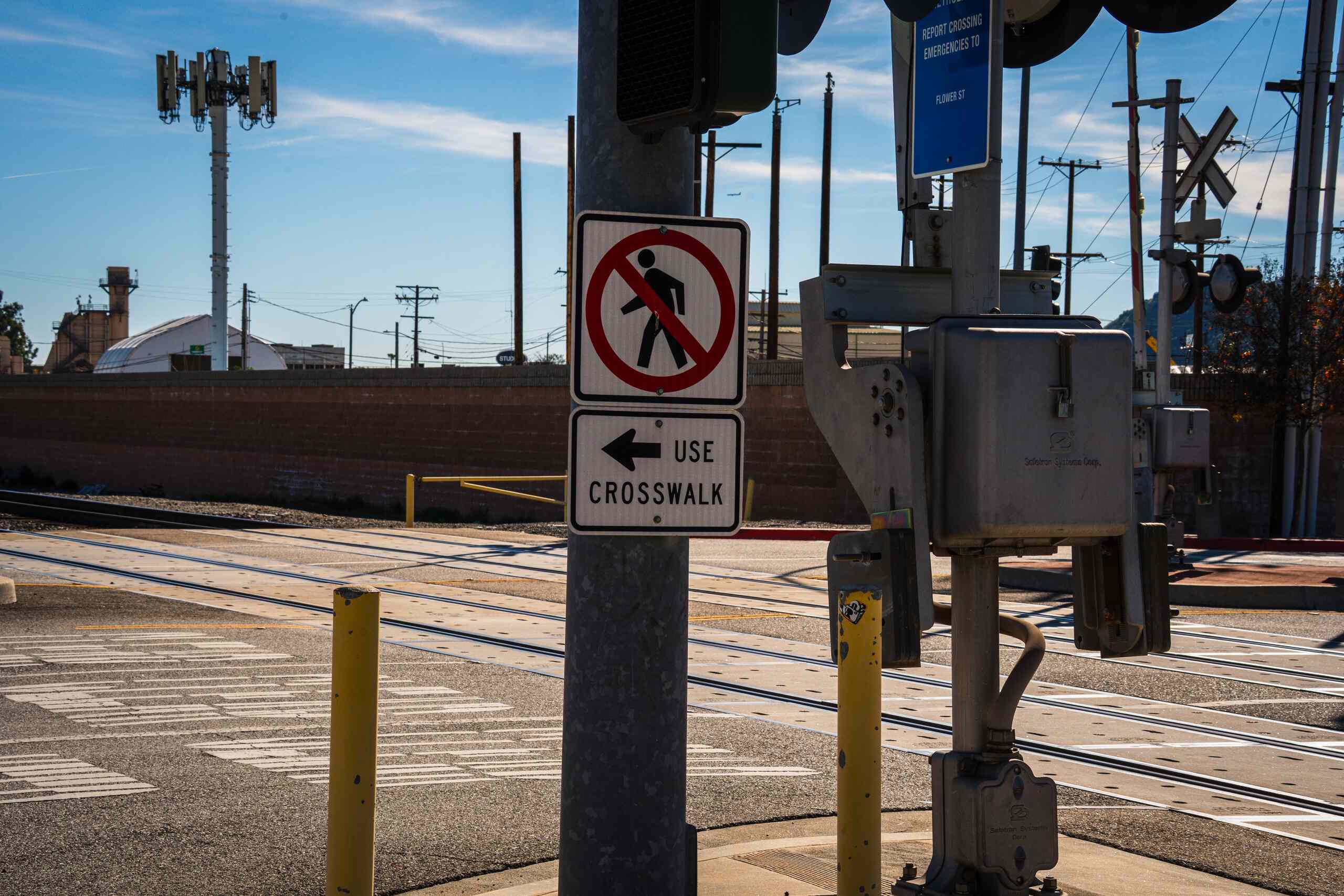
In 2024, the New York City Council passed legislation known as Intro 126, which removed criminal penalties for crossing the street outside a crosswalk, provided the pedestrian does not directly interfere with traffic.
The primary goals of the law were to:
- Reduce unnecessary police encounters
- Eliminate disproportionate fines
- Reflect real-world urban mobility patterns
Since then, police can no longer automatically issue a citation simply because someone crossed mid-block. However, the law did not redefine civil liability, nor did it eliminate the duty of care that both pedestrians and drivers owe each other on the road.
Why These Cases Still Require Careful Legal Analysis
The legalization of jaywalking changed the public conversation, but it did not simplify pedestrian injury claims. In fact, it introduced new areas of confusion that require careful, evidence-based legal analysis by a skilled legal professional.
Many injured pedestrians now assume:
- “If it was legal, I must not be at fault,” or
- “If there was no ticket, the case is clear.”
Neither assumption is automatically true. Let’s see why.
Legal Does Not Always Mean “Without Consequences” in a Personal Injury Case
This is where most misunderstandings arise. Just because conduct is legal from an administrative standpoint does not mean it carries no civil consequences if an accident occurs.
A simple example illustrates the point:
- It is now legal to cross the street outside a crosswalk.
- But if someone suddenly runs into traffic without warning and is struck, that conduct may still be evaluated in a civil court.
In personal injury cases, the focus is not on whether the police issued a citation. The focus is on whether each party acted reasonably under the circumstances. That distinction matters greatly in pedestrian cases.
How Liability Works in NYC Pedestrian Accidents
New York follows a comparative negligence system. This means:
- A jury (or insurance company) can evaluate both the pedestrian’s and the driver’s conduct
- Responsibility can be divided into percentages
- An injured person does not automatically lose the right to compensation, even if they were partly at fault
For example, a jury could find that:
- The driver was 70% responsible for failing to pay attention
- The pedestrian was 30% responsible for crossing at an unsafe moment
In that scenario, the pedestrian could still recover compensation, reduced by their percentage of fault. This analysis is often referred to as comparative negligence in pedestrian cases, and it continues to apply even after jaywalking was legalized.
What New York Traffic Law Still Says About Crossing Outside a Crosswalk
Although Intro 126 removed local criminal penalties, Vehicle and Traffic Law §1152 remains relevant in civil cases. Under this law, pedestrians crossing outside a marked crosswalk are expected to:
- Yield the right of way to vehicles traveling lawfully
- Exercise reasonable care
That does not mean drivers are absolved of responsibility. Drivers still have a duty to:
- Remain attentive
- Drive at a reasonable speed
- Avoid collisions when reasonably possible
In other words, the law does not say “the pedestrian, or the driver, is always at fault”—but it does allow the pedestrian’s conduct to be evaluated along with the driver’s actions.
When Crossing Mid-Block Does Not Reduce Driver Responsibility
Let’s be clear: crossing outside a crosswalk does not automatically make the pedestrian primarily responsible for an accident. There are many situations where the driver’s conduct remains the dominant factor, even when the pedestrian crossed mid-block.
Distracted driving
If a driver was texting, using GPS, operating a delivery app, or otherwise not paying attention, that distraction can outweigh the pedestrian’s location.
Speeding
Excessive speed reduces reaction time. Even when a pedestrian crosses mid-block, vehicle speed may be the decisive factor in liability.
Failure to react reasonably
Drivers have a duty to respond appropriately to foreseeable hazards. If a pedestrian was visible from a reasonable distance and the driver failed to brake, slow down, or take evasive action, responsibility may rest largely with the driver.
Unsafe turns and inattention at intersections
Many pedestrian crashes occur during turns. Even if the pedestrian was outside a marked crosswalk, courts often focus on the driver’s attentiveness, not the pedestrian’s location.
Don’t assume you’re uncovered after a crash—learn how New York no-fault benefits protect pedestrians.
Commercial and large vehicles
Trucks, delivery vans, and commercial vehicles have larger blind spots and longer stopping distances. In these cases, analysis may include:
- Driver training
- Scheduling pressure
- Vehicle design
- Company safety practices
Crossing mid-block does not eliminate potential liability for the driver or the company.
Jaywalking Is Legal in NYC—But Did Insurance Companies Change Their Analysis?
One of the most common mistakes after jaywalking was legalized is assuming that insurance companies changed how they evaluate pedestrian claims. They did not.
While police enforcement has changed, insurers still analyze cases from a financial and liability-reduction perspective, not a public policy one.
Even without a jaywalking ticket, insurers frequently argue that:
- The pedestrian chose to cross outside a crosswalk
- The pedestrian entered into traffic suddenly
- The driver had insufficient time to react
- The pedestrian was not paying attention
These arguments did not disappear with Intro 126. Insurers simply rely less on citations and more on narrative framing to assign fault.
How Insurers Use Comparative Fault to Affect Claim Value
In New York’s comparative negligence system, every percentage point of fault assigned to the pedestrian saves the company money by reducing their payout by that amount. For example:
- 10% fault → 10% reduction
- 40% fault → substantial reduction
- 50% or more → far more aggressive settlement resistance
This is why insurers often push early for statements or admissions that can increase the pedestrian’s perceived share of responsibility.
Why Legalization Did Not Change the Insurance Analysis
Insurance companies are not required to accept that “legal” conduct was reasonable.
Their analysis focuses on safety and behavior, not whether someone avoided a citation.
That’s why injured pedestrians often hear: “Yes, it was legal—but it wasn’t safe.”
The distinction between legality and reasonableness is one of the most important concepts in these cases.
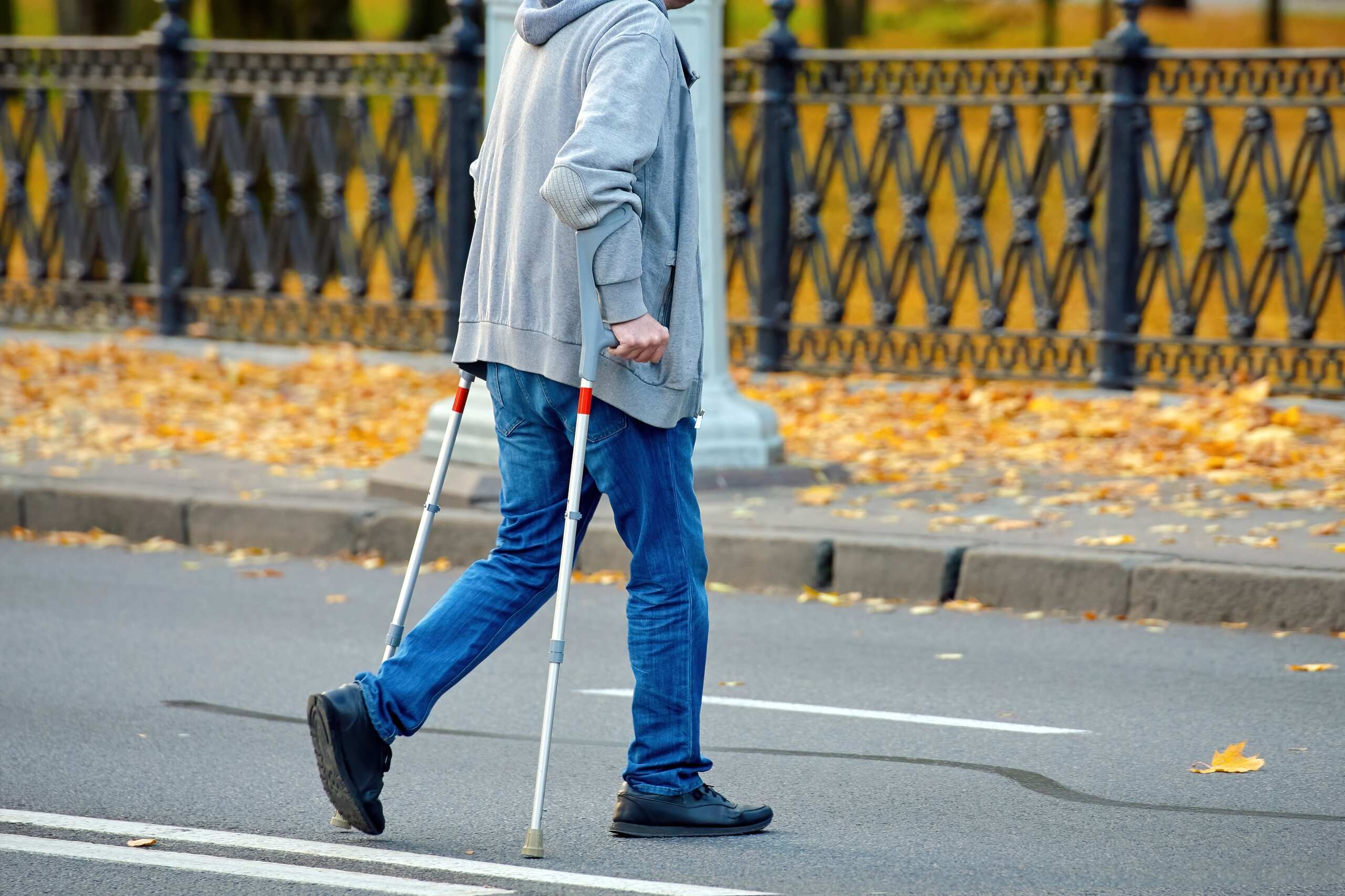
The Key Distinction About Jaywalking in NYC: Traffic Tickets vs. Civil Liability
One of the most important things injured pedestrians should understand is this… The absence of a traffic ticket does not determine civil responsibility.
In many accidents:
- No citations are issued
- Police reports are brief
- Early conclusions do not reflect all the evidence
Courts and insurers look at:
Camera footage
- Witness testimony
- Vehicle speed
- Reaction time
- Visibility and lighting
—not just whether conduct was technically legal.
Common Scenarios: Crossing Mid-Block and Being Hit
Scenario 1: The driver was inattentive
If the driver was distracted, speeding, or failed to observe visible conditions, they may bear most responsibility, even if the pedestrian crossed mid-block.
Scenario 2: Sudden entry into traffic
If a pedestrian stepped directly into a vehicle’s path without giving the driver a reasonable time to react, a jury may assign greater fault to the pedestrian.
Scenario 3: Stopped or slow traffic
In congested traffic, mid-block crossing may be considered reasonable depending on speed, spacing, and visibility.
Each case is fact-specific.
Key Evidence in Mid-Block Pedestrian Accident Cases
In mid-block crossing liability cases, independent evidence can determine whether a claim succeeds or fails. This may include:
- Traffic or business camera footage
- Dash cam recordings
- Witness statements
- Accident reconstruction reports
- Scene photographs
- Lighting and weather conditions
Many of these materials are not preserved for long, making early action important.
Jaywalking, Serious Injuries, and Driver Conduct
Even when a pedestrian crossed outside a crosswalk, driver conduct often remains central in cases involving:
- Speeding
- Distracted driving
- Unsafe turns
- Failure to react
- Signal violations
Legalizing jaywalking did not eliminate a driver’s duty to avoid hitting a visible pedestrian.
Frequently Asked Questions About Jaywalking and Pedestrian Accidents in NYC
If jaywalking is legal, do I automatically win my case?
No. While jaywalking is no longer a criminal offense in New York City, that change does not automatically determine fault in a personal injury case. Civil claims are evaluated based on whether each party acted reasonably under the circumstances. A pedestrian may still recover compensation even if they crossed outside a crosswalk, but the specific facts—such as traffic conditions, visibility, and driver behavior—play a critical role.
Can they still say I was at fault if I wasn’t ticketed?
Yes. The absence of a traffic ticket does not prevent an insurance company or court from evaluating your conduct. Many pedestrian accident cases involve no citations at all. Instead, responsibility is often assessed using evidence such as video footage, witness statements, and vehicle data, rather than whether a police officer issued a summons.
Does comparative negligence still apply after jaywalking was legalized?
Yes. New York continues to apply comparative negligence rules. This means fault can be shared between the pedestrian and the driver, and any compensation may be adjusted based on the percentage of responsibility assigned to each party. Legalizing jaywalking did not eliminate this analysis.
Does distracted driving really matter in these cases?
Very much. Driver distraction—such as texting, using GPS, or interacting with in-vehicle systems—is frequently a key factor in pedestrian accident cases. Even if a pedestrian crossed outside a marked crosswalk, a distracted driver may still bear significant responsibility for failing to notice and respond to a visible person in the roadway.
What if the accident happened at night or in low-visibility conditions?
Low-light conditions do not automatically shift blame to the pedestrian. Courts and insurers typically examine factors such as street lighting, vehicle headlights, clothing visibility, speed, and whether the driver should have seen the pedestrian in time to react. Visibility is evaluated for both parties, not just the person on foot.
Speak With the Team at Omrani & Taub Before Assuming You Were at Fault in a Jaywalking Accident
Being hit by a vehicle is traumatic. Legal confusion should not add to that burden. Have your questions answered quickly and thoroughly during a free consultation with the team at Omrani & Taub.
Speaking with a lawyer does not mean filing a lawsuit. It means learning how New York law applies to your specific situation—especially after recent changes like jaywalking legalization.
The Law Offices of Omrani & Taub, P.C. offers free consultations and bilingual support to help injured pedestrians evaluate their options with clarity and without pressure.
Call 1-800-JUSTICE® to get clear answers and decide your next steps with confidence.