
4 convenient locations in the NYC metropolitan area

Author name: Alex Omrani

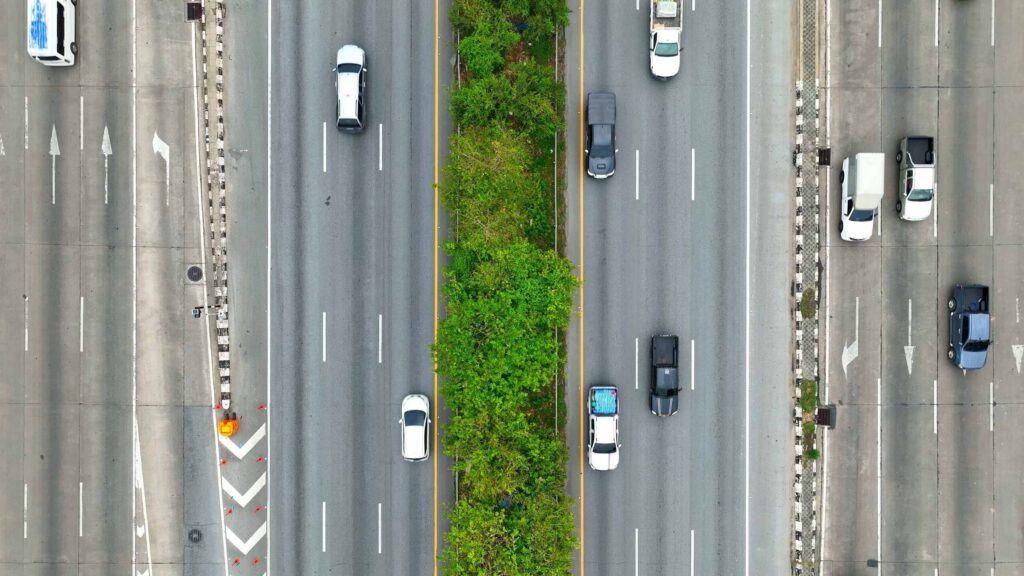
Aerial view of NYC traffic showing vehicles in multiple lanes, illustrating the environment where lane splitting and filtering occur.

Lane Splitting in NYC: Can You Sue if You Were “Filtering”?

Motorcycle riders in New York City know the reality of traffic all too well. Congested avenues, sudden lane changes, delivery vehicles double-parked without warning, and impatient drivers make navigating the city on two wheels uniquely challenging. In that environment, some riders choose to lane split or lane filter to move through stopped or slow-moving traffic.

Lane Splitting in NYC: Can You Sue if You Were “Filtering”? Read More »

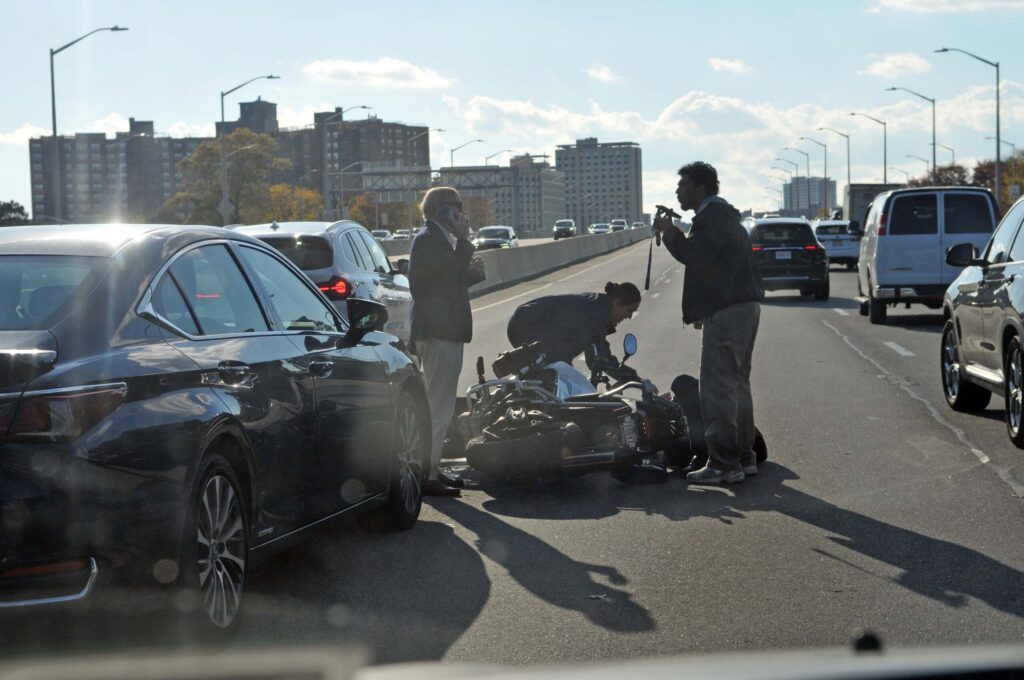
Scene of a New York motorcycle crash on a busy highway where No-Fault medical coverage does not automatically apply.

The “No-Fault” Exclusion: Why NY Bikers Don’t Get Automatic Medical Coverage

A motorcycle crash in New York often creates two emergencies at once. The first is physical: pain, injuries, emergency care, and recovery. The second is financial, and it often creates just as many problems. Many injured riders assume that medical bills will be handled the same way they are after a car accident—through New York’s

The “No-Fault” Exclusion: Why NY Bikers Don’t Get Automatic Medical Coverage Read More »

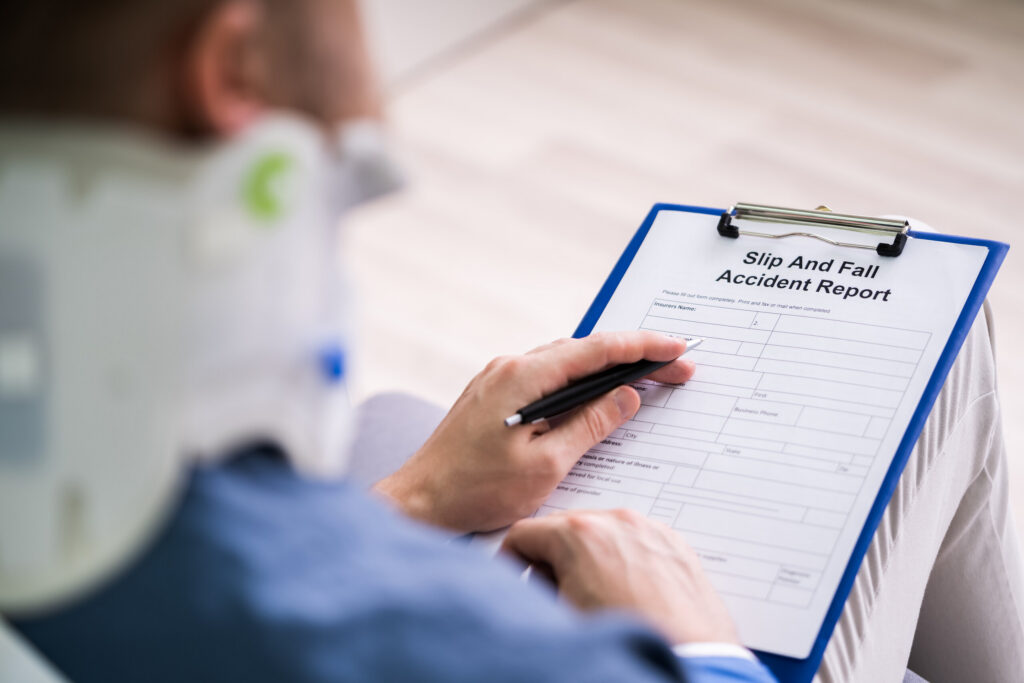
Person reviewing a slip and fall accident report, highlighting the strict Notice of Claim deadline for NYCHA housing cases in New York.

NYCHA Housing Fall Accidents: The Strict “Notice of Claim” Deadline That Can End Your Case Before It Starts

Slip and fall accidents inside New York City Housing Authority (NYCHA) buildings are far more common than many people realize. Broken stairs, crumbling concrete, wet floors, missing handrails, ceiling collapses, and long-ignored maintenance issues regularly put residents and visitors at risk. When someone is seriously injured in NYCHA housing, the physical pain is often followed

NYCHA Housing Fall Accidents: The Strict “Notice of Claim” Deadline That Can End Your Case Before It Starts Read More »

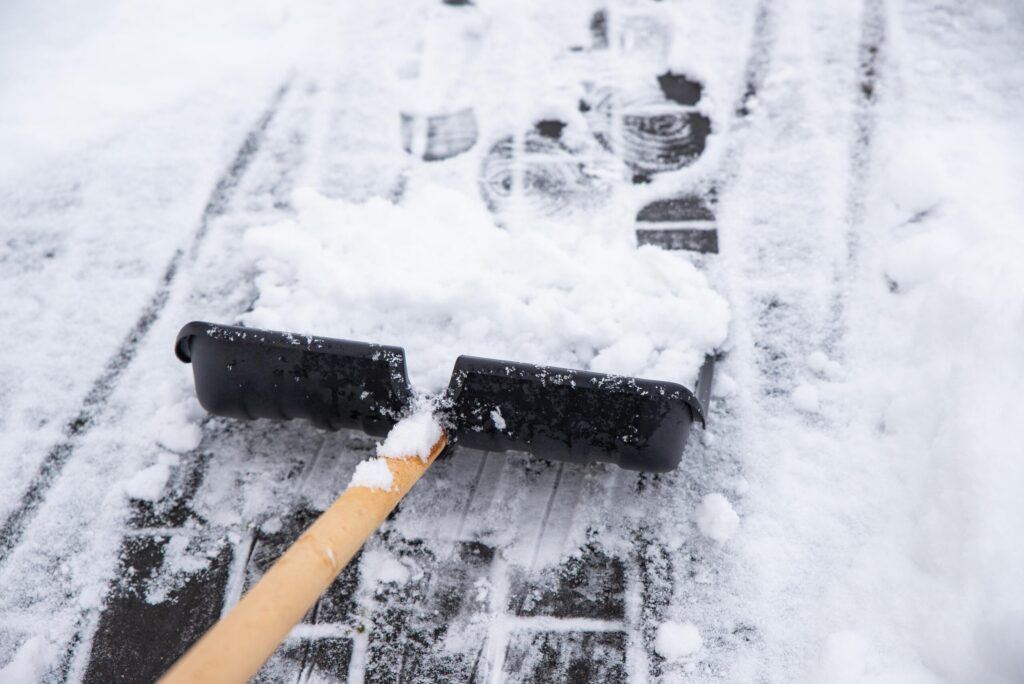
Snow being cleared from a New York sidewalk during active snowfall, illustrating the “storm in progress” defense.

The “Storm in Progress” Defense in New York: Why You Can’t Sue While It’s Snowing

Winter in New York City brings more than cold temperatures and snow-covered sidewalks. It also brings a surge of slip and fall injuries caused by icy walkways, untreated entrances, and hazardous pedestrian conditions. Every year, thousands of people are seriously hurt after slipping on snow or ice outside apartment buildings, storefronts, and commercial properties. Yet

The “Storm in Progress” Defense in New York: Why You Can’t Sue While It’s Snowing Read More »

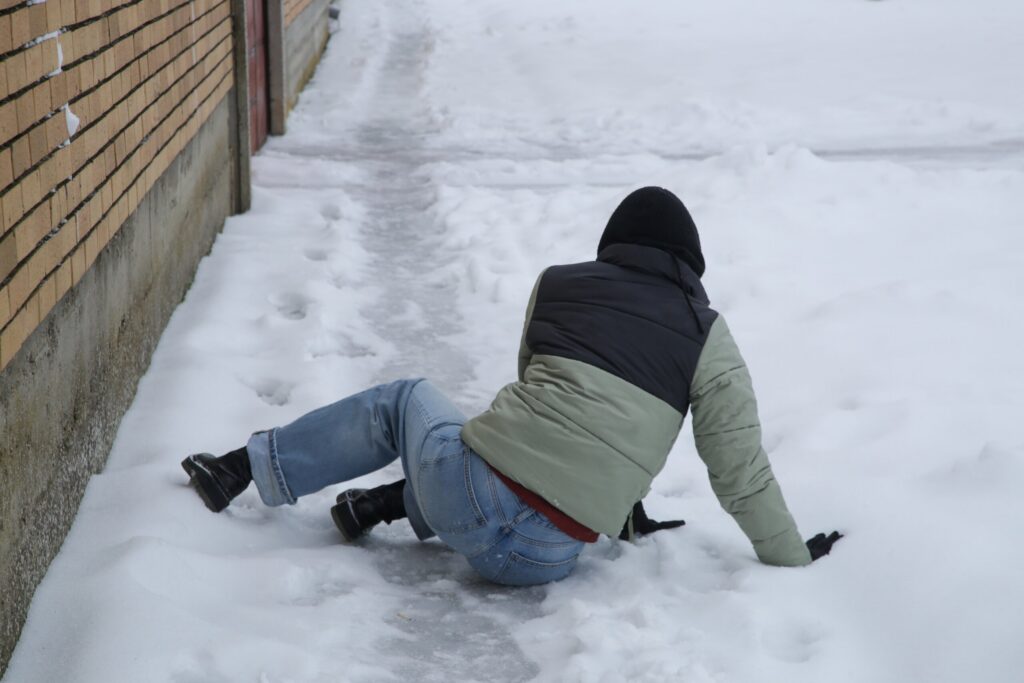
Person slipping on an icy sidewalk in New York, illustrating landlord liability under NYC Administrative Code §7-210.

NYC Administrative Code §7-210: Why You Sue the Landlord, Not the City

Sidewalk accidents are among the most common—and most misunderstood—types of injury cases in New York City. Every year, pedestrians are injured after tripping on cracked concrete, slipping on icy patches, or falling because of uneven sidewalk conditions. When that happens, one question comes up almost immediately… Who is actually responsible for fixing the sidewalk—and who

NYC Administrative Code §7-210: Why You Sue the Landlord, Not the City Read More »

Persona caída en las escaleras de una vivienda, ilustrando un posible accidente en propiedades de NYCHA y la importancia del Aviso de Reclamación en Nueva York.

Accidentes por Caídas en Viviendas de NYCHA: El Estricto Plazo del “Aviso de Reclamación” que Puede Terminar su Caso Antes de Comenzar

Los accidentes por resbalones y caídas dentro de edificios de la Autoridad de Vivienda de la Ciudad de Nueva York (NYCHA) son mucho más comunes de lo que muchas personas imaginan. Escaleras rotas, concreto deteriorado, pisos mojados, pasamanos faltantes, techos que se derrumban y problemas de mantenimiento ignorados durante años ponen en riesgo constante a

Accidentes por Caídas en Viviendas de NYCHA: El Estricto Plazo del “Aviso de Reclamación” que Puede Terminar su Caso Antes de Comenzar Read More »

Trabajador removiendo nieve durante una tormenta en Nueva York, ilustrando la defensa legal de “tormenta en curso”.

La Defensa de “Tormenta en Curso” en Nueva York: Por Qué No Siempre Puede Demandar Mientras Sigue Nevando

El invierno en la ciudad de Nueva York trae más que temperaturas bajas y aceras cubiertas de nieve. También trae un aumento considerable de accidentes por resbalones y caídas causados por hielo, entradas sin tratar y condiciones peligrosas para peatones. Cada año, miles de personas sufren lesiones graves tras resbalarse en nieve o hielo frente

La Defensa de “Tormenta en Curso” en Nueva York: Por Qué No Siempre Puede Demandar Mientras Sigue Nevando Read More »

Persona caída en una acera mojada en Nueva York, ilustrando la responsabilidad del propietario bajo el Código Administrativo de NYC §7-210.

Código Administrativo de NYC §7-210: Por Qué se Demanda al Propietario, No a la Ciudad

Los accidentes en aceras son uno de los tipos de lesiones más comunes—y a la vez más malentendidos—en la ciudad de Nueva York. Cada año, peatones resultan lesionados tras tropezar con concreto agrietado, resbalar sobre hielo acumulado o caer debido a superficies irregulares en la acera. Cuando esto ocurre, surge casi de inmediato una pregunta

Código Administrativo de NYC §7-210: Por Qué se Demanda al Propietario, No a la Ciudad Read More »

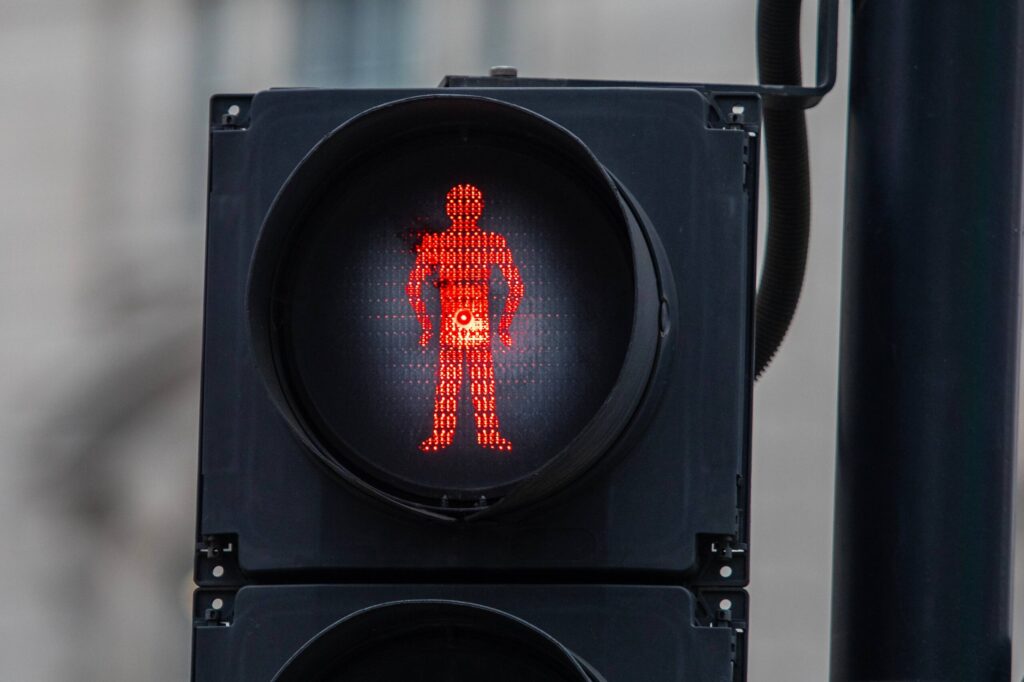
Red pedestrian signal illuminated at a New York crosswalk highlighting no-fault benefits for injured pedestrians.

No-Fault Benefits for Pedestrians in New York: You Don’t Need to Own a Car

Being struck by a vehicle as a pedestrian in New York can be deeply unsettling. Beyond the physical pain, many people experience immediate anxiety about something very practical: medical bills. One of the first questions that comes up is direct and overwhelming… “I don’t have car insurance… who is going to pay for all of

No-Fault Benefits for Pedestrians in New York: You Don’t Need to Own a Car Read More »