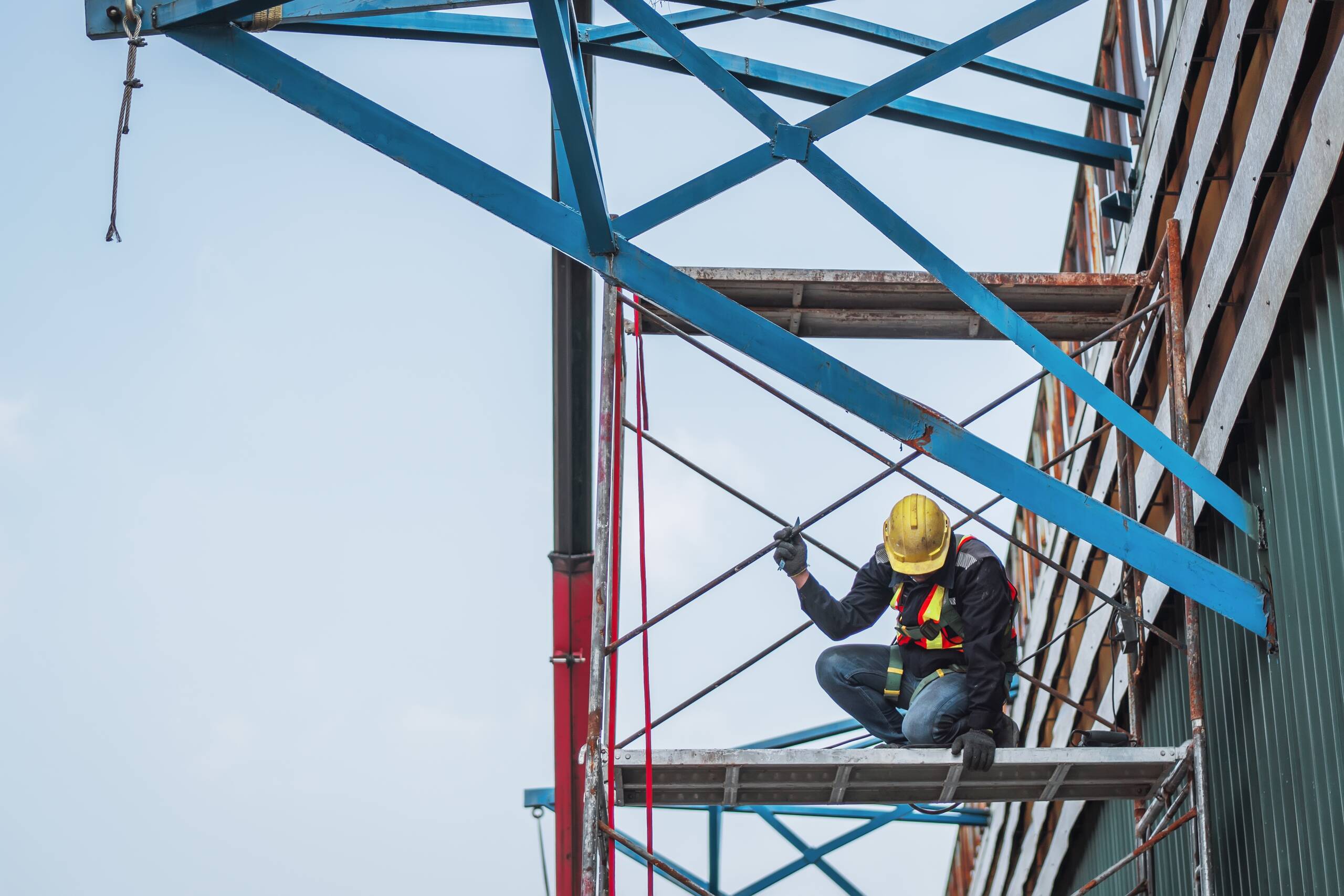
Construction work in New York often requires working at heights, handling heavy materials, and relying on safety equipment designed to protect workers from one unavoidable force: gravity. When that protection fails, the consequences can be catastrophic.
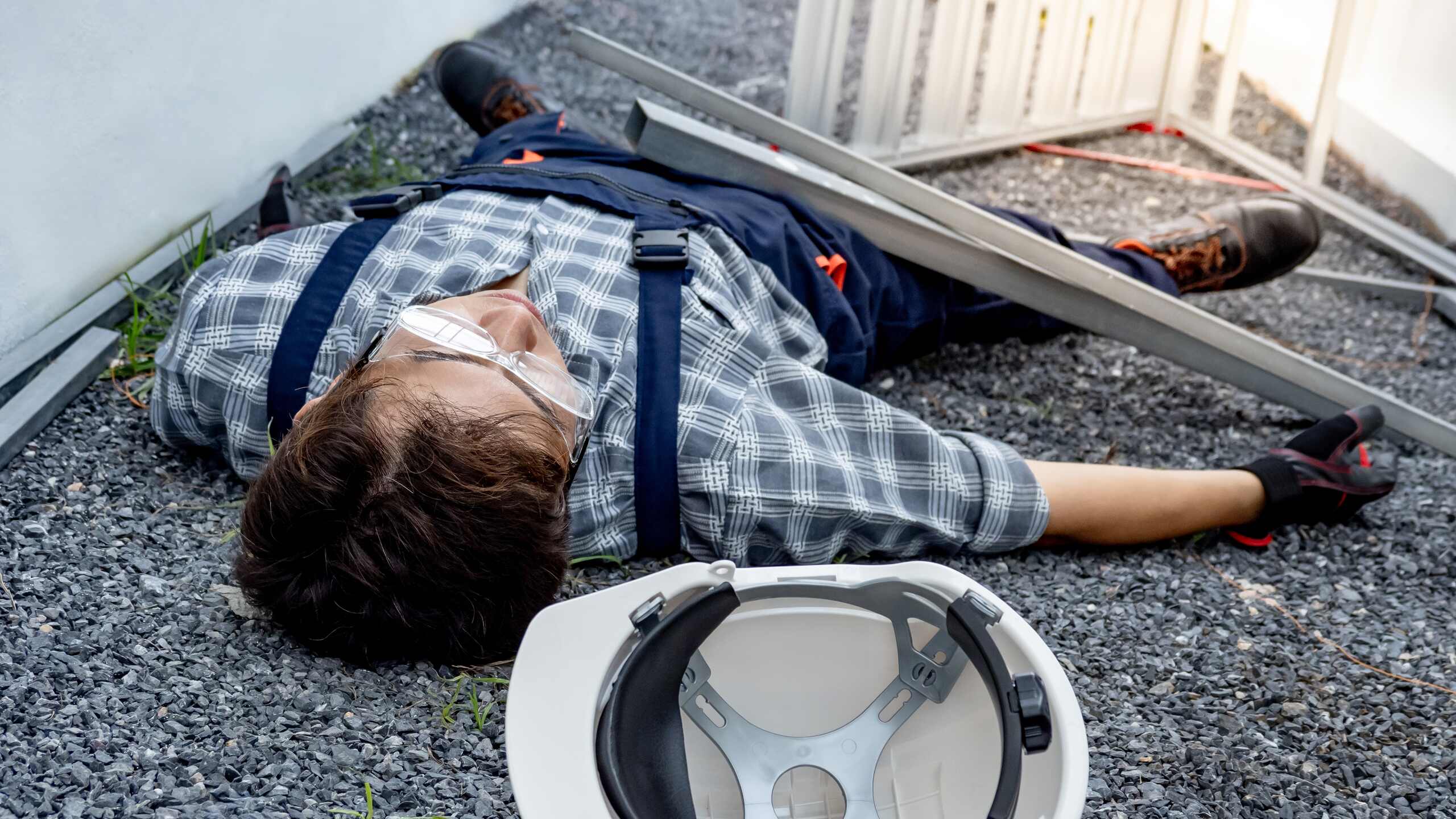
Falls from ladders, collapsing scaffolds, unsecured platforms, and objects falling from above are among the most dangerous and life-altering construction site accidents. In many of these cases, New York law provides injured workers with powerful legal protection that goes far beyond ordinary negligence rules.
That protection comes from New York Labor Law §240, commonly known as the Scaffold Law. Unlike most personal injury claims, Labor Law 240 does not focus on who was careless or whether the worker made a mistake. Instead, it focuses on whether proper safety devices were provided to protect against gravity-related risks.
When the law applies, owners and general contractors can be held liable even when they argue the worker was partially at fault. Understanding how Labor Law 240 works—and when it applies—can make the difference between a denied claim and full compensation for a life-changing injury.
Key Takeaways: Labor Law 240 and Gravity-Related Construction Claims
- New York Labor Law §240 protects construction workers from gravity-related hazards
- The law applies to falls from heights and injuries caused by falling objects
- Owners and general contractors may be held liable regardless of a worker’s fault
- Arguments blaming the injured worker often do not defeat a valid §240 claim
- These claims are highly technical and require careful legal analysis by a skilled construction accident lawyer
What Is New York Labor Law 240?
New York Labor Law §240 was enacted to protect construction workers from the dangers posed by elevated work. Lawmakers recognized that workers performing tasks at heights face extraordinary risks and that those risks should be mitigated by proper safety equipment.
The law, commonly referred to as the Scaffold Law, requires owners and general contractors to provide proper safety devices when work involves elevation differences. These devices include, but are not limited to:
- Scaffolds
- Ladders
- Hoists
- Harnesses and safety lines
- Guardrails
- Braces and supports
When a worker is injured because these devices are missing, defective, improperly placed, or inadequate, Labor Law 240 may impose liability on the parties responsible for the site. What makes this law unique—and incredibly powerful—is that it often bypasses traditional requirements of proving who was at fault.
Why Labor Law 240 Is Different From Ordinary Injury Claims
Most injury cases revolve around negligence. Someone must prove that another party acted unreasonably and that this carelessness caused the injury. Defense attorneys often focus on the injured person’s conduct, searching for mistakes or rule violations to reduce or eliminate the company’s liability.
Labor Law 240 changes that analysis.
If the injury was caused by gravity and resulted from the failure to provide proper safety devices, liability may be imposed even if the worker made an error. Courts have repeatedly held that comparative negligence—arguments that the worker was careless—generally does not defeat a valid §240 claim.
This is why Labor Law 240 is sometimes described as creating near-absolute liability for owners and general contractors when a construction worker is injured.
What Types of Accidents Fall Under Labor Law 240?
Not every construction injury qualifies. Labor Law 240 applies specifically to gravity-related hazards, meaning injuries caused by elevation differences. Common situations may include:
Falls From Heights
The most common §240 cases involve falls, including:
- Falling from ladders
- Falling from scaffolding
- Falling through unprotected openings
- Falling from roofs or platforms
- Falling due to a lack of guardrails or tie-offs
If the fall occurred because proper safety devices were not provided or failed, Labor Law 240 may apply.
Injuries From Falling Objects
Labor Law 240 also applies when a worker is struck by a falling object that should have been secured during the task being performed. Examples include:
- Tools dropped from scaffolding
- Construction materials falling from above
- Equipment that was not properly hoisted or secured
Not every object that falls triggers the statute. The key issue is whether the object fell due to the absence or failure of a safety device designed to prevent that exact risk.
| Type of Incident | Common Examples | When Labor Law 240 May Apply |
|---|---|---|
| Falls From Heights |
|
If the fall occurred because proper safety devices were not provided or those devices failed during the work. |
| Injuries From Falling Objects |
|
When the object fell due to the absence or failure of a safety device designed to prevent that specific risk. |
The Central Legal Question: Was Gravity the Direct Cause?
Courts analyzing Labor Law 240 claims focus on a core issue: Did gravity play a direct role in causing the injury, and was the worker inadequately protected from that risk?
This analysis is highly fact-specific. A fall of just a few feet may qualify, while other incidents involving heights may not. What matters is whether the elevation differential created a foreseeable risk that should have been addressed with safety devices.
This is why Labor Law 240 cases require careful investigation and advanced legal strategy. Seemingly minor details, such as how a ladder was positioned, whether a harness was available, and whether materials were properly secured, can determine whether the statute applies.
Who Can Be Held Liable Under Labor Law 240?
One of the most misunderstood aspects of Labor Law 240 is who is responsible for the worker’s injuries. The statute generally applies to:
- Property owners (with limited exceptions)
- General contractors
- Construction managers with authority over safety
Importantly, direct employers are often not named as defendants in §240 lawsuits. Instead, liability is placed on those with the power to ensure that proper safety devices are in place.
This is why Labor Law 240 claims are often brought as third-party lawsuits, separate from workers’ compensation benefits.
Workers’ compensation may provide immediate medical care and partial wage replacement, but it does not compensate for pain and suffering or full economic loss. A successful Labor Law 240 claim can help the injured worker receive these additional funds.
Why Defense Arguments Often Fail Under the Scaffold Law
Insurance companies and defendants frequently raise familiar defenses in these cases, including:
- The worker misused the equipment
- The worker chose the wrong ladder
- The hazard was “open and obvious”
- The worker should have known better
In ordinary negligence cases, these arguments can be effective. Under Labor Law 240, they often are not.
Courts have repeatedly held that owners and general contractors bear responsibility for providing proper safety devices, even when a worker’s conduct contributed to the accident. If the device was inadequate or absent, liability may still attach.
This statutory framework reflects a policy choice by New York lawmakers: the burden of gravity-related safety should not be placed on individual workers.
Common Examples of Labor Law 240 Violations
Labor Law 240 violations usually arise when a worker is exposed to gravity-related risks without proper safety protection. In many cases, they occur because the required safety devices mandated by law were missing, defective, or improperly used.
Ladder Accidents
A ladder that slips, shifts, or tips over often indicates a violation of the Scaffold Law—especially when it was not properly secured, placed on an unstable surface, or unsuitable for the task being performed. Workers are not required to prove they used the ladder “perfectly.” If the ladder failed to provide proper protection from a height-related risk, liability may attach.
Scaffold Collapses
Scaffold falls are another frequent source of Labor Law 240 claims because scaffolds must be properly constructed, supported, and maintained to safely bear the weight of workers and materials. When a scaffold gives way due to poor assembly, overloading, missing planking, or inadequate bracing, the law may hold the property owner or general contractor responsible, regardless of whether the worker was careful.
Failure to Provide Safety Equipment
Violations also occur when workers are forced to improvise because proper safety equipment was never provided. This might include using makeshift platforms, standing on unsecured objects, or reaching dangerous heights without guardrails, harnesses, or tie-offs.
Labor Law 240 exists precisely to prevent workers from being put in these positions. A worker should never have to choose between doing the job and risking a fall.
Falling-Object Scenarios
Another major category of Labor Law 240 violations involves tools, materials, or debris that fall and cause devastating injuries. When hoisting devices, safety nets, overhead protection, or secured storage are missing or inadequate, and gravity causes injury, the statute may apply. These cases are not about whether someone dropped an object accidentally—they are about whether the site was set up to prevent gravity-related harm in the first place.
Missing Safety Harnesses and Fall-Arrest Systems
The lack of these devices frequently leads to injury claims. If harnesses were unavailable, improperly fitted, defective, or not properly anchored, and a worker falls as a result, Labor Law 240 may impose liability. The law requires more than simply having safety equipment on-site—it must actually function to protect the worker from elevation-related risks.
Across all of these scenarios, a common theme emerges: the injury happens not because the worker was careless, but because the safety protections mandated by New York law were insufficient or absent. Labor Law 240 was designed to shift the consequences of these failures away from injured workers and onto the parties responsible for providing a safe work environment.
Why These Construction Injury Cases Are Heavily Contested
Labor Law 240 claims expose owners and contractors to significant financial liability. As a result, insurers fight aggressively to avoid application of the statute. Defense strategies often focus on:
- Arguing the injury was not truly gravity-related
- Claiming the worker was not performing covered work
- Asserting that the object did not require securing
- Disputing the adequacy of safety devices
These arguments require a strong factual rebuttal and a deep understanding of how New York courts interpret the statute. This is where working with experienced New York construction accident lawyers becomes critical. These cases are not won by chance—they are built through detailed investigation, expert analysis, and precise legal framing.
How Labor Law 240 Claims Interact With Workers’ Compensation
Many injured workers wonder whether they can pursue a Labor Law 240 claim while receiving workers’ compensation benefits. The answer is often yes.
Workers’ compensation provides no-fault benefits through the construction worker’s employer. Labor Law 240 claims are typically brought against project owners or contractors as third parties. These claims can proceed simultaneously, although coordination is required.
Importantly, a successful §240 claim can provide compensation that workers’ comp does not, including:
- Pain and suffering
- Full wage loss
- Future loss of earning capacity
- Long-term disability impacts
What Evidence is Needed For Gravity-Related Injury Claims?
Because Labor Law 240 cases turn on technical details, evidence is critical. Useful evidence may include:
- Site photographs and videos
- Accident reports
- Witness statements
- OSHA records
- Safety manuals and contracts
- Expert testimony on safety devices
Construction sites change quickly. Scaffolds are dismantled, ladders are moved, and hazards are repaired. Early investigation is often the difference between a strong claim and a lost opportunity.
Frequently Asked Questions About Labor Law 240 Construction Injury Claims
Does Labor Law 240 apply to all construction accidents?
No. It applies only to gravity-related injuries involving elevation differences or falling objects that require securing.
Can I recover if I was partially at fault?
Often yes. Unlike ordinary negligence claims, comparative fault usually does not bar recovery under Labor Law 240.
What if I fell from a ladder while working alone?
Labor Law 240 can still apply. The key question is whether proper safety devices were provided, not whether someone else was present.
Does the Scaffold Law apply only to scaffolds?
No. Despite the name, the law applies to ladders, hoists, harnesses, platforms, and other devices used by elevated workers.
When Gravity Turns Against You, the Law May Be on Your Side
Construction work will always involve risk—but New York law recognizes that workers should not bear the consequences of preventable gravity-related hazards. Labor Law 240 exists to shift responsibility where it belongs: on those with the power to provide safe equipment and enforce safety standards.
If you were injured in a fall or by a falling object on a construction site, understanding whether Labor Law 240 applies is critical. These cases are too important—and too technical—to evaluate alone.
Speak With a New York Labor Law 240 Lawyer at Omrani & Taub to Understand Your Rights
When gravity-related accidents happen on construction sites, the injuries are often severe—and the legal issues can be just as complex. New York Labor Law §240 provides powerful protections for injured workers, but successfully applying the Scaffold Law requires careful legal analysis and experienced advocacy.
If you were injured in a fall, scaffold accident, or by a falling object on a New York construction site, the attorneys at The Law Offices of Omrani & Taub, P.C. can help you understand whether Labor Law 240 applies to your case and what compensation options may be available. Our firm has years of experience representing injured construction workers throughout New York and handling serious, high-stakes injury claims involving New York’s labor laws.
We offer free consultations and bilingual assistance to help you get clear, accurate information about your rights—without pressure or obligation. Call 1-800-JUSTICE® to speak with the team at Omrani & Taub and take the next step toward protecting your health, your livelihood, and your future.