A rideshare accident in Manhattan often raises a different question than one in upstate New York: how much is this case really worth? If you were involved in an Uber or Lyft accident in New York, the exact location where it happened may have a significant impact on the value of your claim. Many people assume that an accident is an accident, whether it happened in Manhattan, Brooklyn, or in a city upstate. But in the rideshare context, that assumption is incorrect.
In New York City, Uber and Lyft vehicles are subject to very different insurance rules than those that apply in other parts of the state. These differences are not minor, they may mean the difference between limited compensation that barely covers medical expenses and a settlement that truly reflects the severity of your injuries and the impact on your life.
What many attorneys do not clearly explain is that, in NYC, Uber and Lyft operate under the “For-Hire Vehicles” framework regulated by the New York City Taxi and Limousine Commission (TLC), while outside the city they are classified as Transportation Network Companies (TNCs) with lower insurance requirements.
Understanding this distinction, and how it affects your case, may completely change your perspective after an accident.
Uber and Lyft logos displayed on the window of a TLC-regulated for-hire vehicle in New York City.
Uber and Lyft Accident Claims in NYC Settlement Value
- In NYC, Uber and Lyft are regulated by the Taxi and Limousine Commission (TLC)
- Commercial insurance limits in NYC are often higher than in the rest of the state
- Outside NYC, Uber and Lyft operate as TNCs with different coverage structures
- The location of the accident directly affects the value of a settlement or recovery
- Understanding the correct jurisdiction is critical when pursuing compensation.
How Legal Strategy Affects Uber and Lyft Accident Claim Value in NYC
This is where informed legal guidance becomes critical. An attorney familiar with rideshare accidents in NYC understands:
- What coverage to pursue
- Which insurer is responsible
- How to properly document injuries
- How to avoid claim-minimization tactics
If your accident occurred within New York City, speaking with Uber and Lyft accident attorneys in New York may help you determine what coverage actually applies and whether your claim may be worth more than the insurance company has suggested.
The Legal Difference That Changes Everything: Uber and Lyft Accident NYC Settlement Value vs. the Rest of the State
Uber and Lyft in NYC: TLC-Regulated For-Hire Vehicles
Within the five boroughs of New York City, Manhattan, Brooklyn, Queens, the Bronx, and Staten Island, Uber and Lyft vehicles are not treated as simple private cars with an app. Legally, they are for-hire vehicles regulated by the New York City Taxi and Limousine Commission (TLC).
This means they must comply with stricter rules, including:
- Special licensing requirements
- Ongoing regulatory oversight
- Higher commercial insurance limits
In practical terms, Uber and Lyft drivers in NYC are often covered by commercial policies with significantly higher limits, such as $100,000 per person, $100,000 per accident, and $300,000 total, depending on the scenario.
These higher limits exist because the city recognizes a clear reality, traffic is denser, risks are higher, and injuries are often more severe.
Uber and Lyft Outside NYC: Transportation Network Companies (TNCs)
Outside the city, Uber and Lyft operate under the legal framework of Transportation Network Companies (TNCs). While still regulated under state law, insurance requirements are often lower or structured differently.
In many areas of the state:
- Liability limits may be lower
- Coverage may depend strictly on whether the driver had an active ride
- Insurers have more room to dispute coverage
The result is simple, the same accident, with the same injuries, may be worth significantly less if it occurs outside NYC.
Why Insurance Limits Shape Uber and Lyft Accident NYC Settlement Value
After an Uber or Lyft accident, the available compensation depends largely on how much insurance is actually available. No matter how clear the injuries are or how obvious fault may be, limited coverage may restrict recovery.
In NYC, higher insurance limits mean:
- Greater ability to cover extensive medical treatment
- Stronger compensation for pain and suffering
- More room to negotiate fair settlements
- Lower risk of falling short of actual expenses
By contrast, outside the city, many claims quickly reach the “ceiling” of available insurance.
Factors That Influence Uber and Lyft Accident Claim Value in NYC
Several elements work together to shape how a rideshare claim is evaluated in New York City. Understanding these factors may help clarify why two similar accidents can lead to very different outcomes.
- Insurance limits available under TLC regulations
- Severity and documentation of injuries
- Location within NYC and traffic conditions
- Type of coverage, TLC versus TNC
- Strength of supporting evidence and records
Each of these factors contributes to how insurers and legal teams assess the value of a claim.
If your Uber or Lyft accident involved a distracted driver, read this article to see how distraction impacts liability—and why rideshare cases in NYC can be worth more.
Does the Location of the Accident Really Increase the Settlement?
The short answer is yes, very often. The full answer is more nuanced. Location does not automatically guarantee a higher settlement, but it creates a more favorable legal and financial environment. In NYC:
- Insurers know higher policy limits are available
- Medical costs are often higher and justifiable
- Jurors and adjusters better understand the severity of urban traffic
- There is a stronger history of substantial settlements
All of this influences the final value of a claim.
Difference Between TNC Coverage and TLC Coverage in Uber and Lyft Accidents
One of the most common misunderstandings is assuming that Uber and Lyft carry “one insurance policy” statewide. That is not the case.
TLC Coverage (NYC)
- Vehicles classified as for-hire
- Robust commercial insurance
- Specific TLC requirements
- Greater protection for passengers, pedestrians, and other drivers
TNC Coverage (Outside NYC)
- Tiered structure depending on ride status
- Potentially lower limits
- Higher likelihood of coverage disputes
- Greater reliance on the driver’s personal insurance
This distinction is one of the main reasons jurisdiction matters so much.
NYC Traffic and Injury Severity in Uber and Lyft Accident Claims
This is not just a legal issue. The physical reality of the city also plays a role. In NYC, there is:
- Higher vehicle density
- More pedestrians and cyclists
- Complex intersections
- Frequent stops and abrupt maneuvers
This increases the likelihood of:
- Multi-vehicle collisions
- Neck and back injuries
- Head trauma
- Injuries requiring long-term care
Insurers are aware of these factors, and they influence how claims are evaluated.
| Factor | NYC Traffic Conditions | Impact on Uber & Lyft Accident Claims |
|---|---|---|
| Urban Environment |
|
Increases overall risk and complexity of rideshare accidents in New York City. |
| Resulting Accident Risks |
|
Leads to more complicated liability scenarios involving multiple parties. |
| Common Injuries |
|
Higher injury severity often results in increased claim value and longer recovery timelines. |
| Insurance Considerations | Insurers account for NYC-specific traffic risks. | These factors directly influence how claims are evaluated, negotiated, and valued. |
Why Many People Underestimate the Value of Their Case
Many passengers accept early offers because:
- They do not know NYC insurance coverage is higher
- They assume Uber or Lyft will “decide what is fair”
- They do not understand the difference between TNC and TLC
- They are under pressure from immediate medical bills
Once a settlement is accepted, there is usually no way to reopen the claim, even if additional coverage is later identified.
The Importance of Correctly Evaluating Jurisdiction in NYC Uber Accidents
A key aspect in these cases is determining which rules actually apply. It is not enough to know the accident happened “in New York.” It requires analyzing:
- The exact municipality
- Whether the vehicle was TLC-authorized
- The driver’s app status at the time
- Which policy was active
An error in this evaluation may significantly reduce the value of a claim.
Common Mistakes That Reduce Uber and Lyft Accident Claim Value in NYC
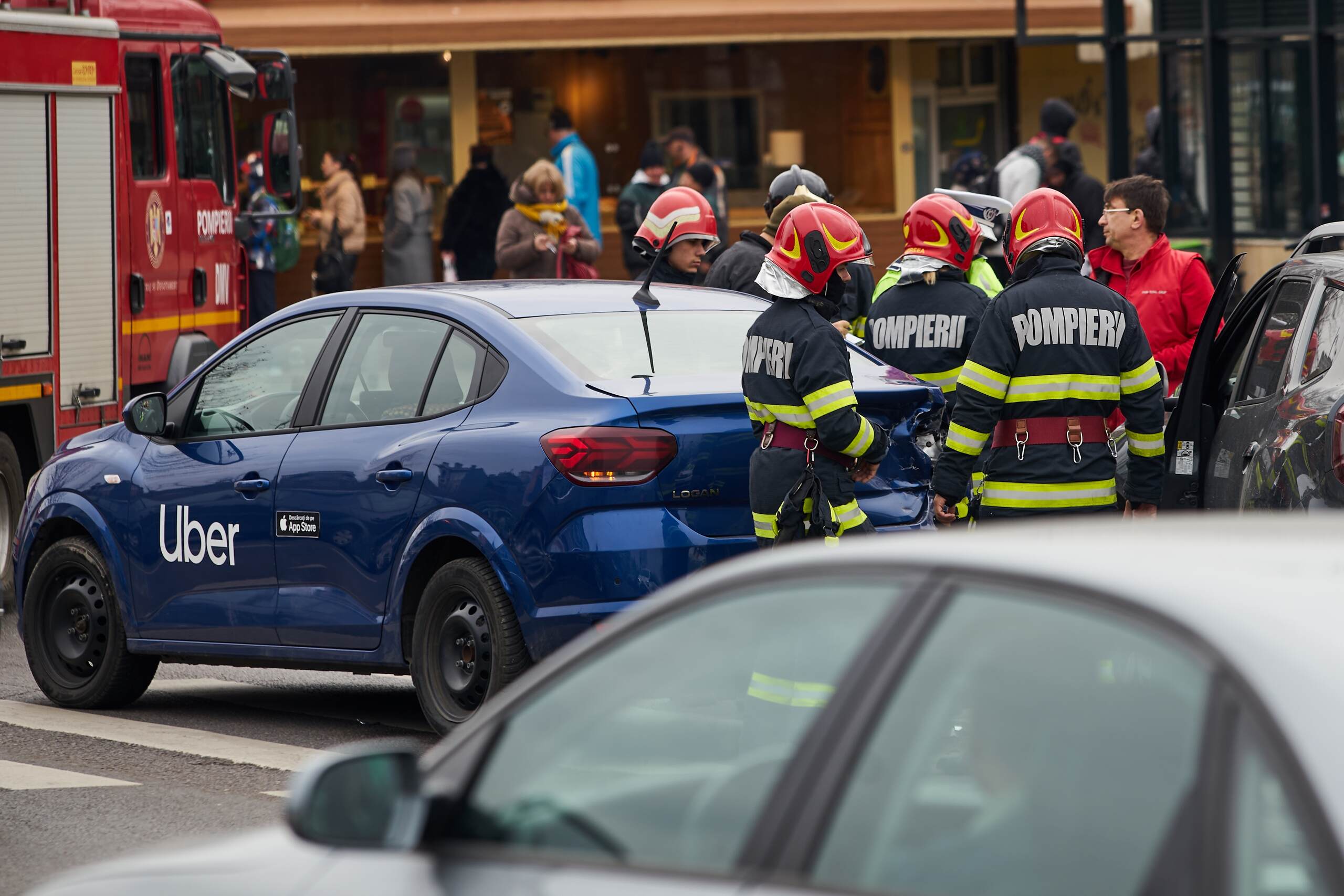
Even when an Uber or Lyft accident occurs in New York City, where insurance policies are typically higher, the value of a claim may decrease significantly if it is not handled carefully from the beginning. Many people make mistakes without realizing they are weakening their own case.
Giving Recorded Statements Too Early
One of the most common mistakes is giving recorded statements to insurance companies without legal guidance. Insurers often contact injured individuals very quickly, sometimes while they are still in pain or confusion. Even if the conversation feels informal, these recordings are later used to question the severity of injuries or shift partial blame to the victim.
Accepting Quick Settlements
Another common mistake is accepting quick settlements. Early offers may seem appealing, especially when medical bills or lost income are involved. However, these offers rarely reflect the true impact of the accident, particularly if injuries require ongoing treatment or create long-term limitations. Once a settlement is accepted, there is typically no way to pursue additional compensation.
Gaps in Medical Treatment
It is also harmful to stop following recommended medical treatment. Insurers often interpret gaps in treatment as evidence that the injury was not serious or has been resolved. Even when someone feels “somewhat better,” skipping appointments, therapy, or follow-up care may significantly affect the credibility of the claim.
Lack of Documentation
Additionally, many people fail to document how the accident has affected their daily lives. Pain, anxiety, physical limitations, difficulty working, or caring for family members are important factors when calculating damages, but they must be supported by evidence. Keeping a record of symptoms, restrictions, and lifestyle changes may make a meaningful difference.
In summary, the favorable legal environment in NYC only helps if the case is handled properly. Higher insurance limits and TLC regulations do not automatically result in fair compensation. Avoiding these mistakes and seeking guidance early may be critical to protecting the true value of a claim and long-term recovery.
Rideshare driver in Manhattan operating under NYC for-hire vehicle regulations that provide higher commercial insurance coverage.
Frequently Asked Questions About Rideshare Accidents in NYC
Is my case worth more just because it happened in Manhattan?
Not automatically, but the location of the accident may significantly influence the value of the claim. In New York City, Uber and Lyft vehicles are regulated by the Taxi and Limousine Commission (TLC) and must meet higher commercial insurance limits than in other parts of the state.
This means that if the accident occurred within NYC, more coverage may be available to compensate for medical expenses, lost wages, and other damages. However, the final value of the case also depends on factors such as injury severity, liability, and available evidence.
What happens if the accident occurred just outside the city?
When an accident occurs outside New York City limits, a different insurance structure may apply. In many areas of the state, Uber and Lyft operate as Transportation Network Companies (TNCs) rather than TLC-regulated vehicles, which often means lower coverage limits.
These cases may be more complex, especially if the trip began in NYC but the accident occurred in another county. That is why it is important to carefully analyze where the crash occurred, what stage the trip was in, and which policy applies.
Do pedestrians and cyclists also benefit from TLC coverage?
Yes. The commercial coverage required by the TLC protects not only passengers but also pedestrians and cyclists who are injured by an Uber or Lyft vehicle within New York City.
Many people are unaware they may have the right to file claims under these policies, and insurers rarely explain this voluntarily. A proper legal review may help identify all available sources of compensation, even when the injured person was not inside the vehicle.
Do Uber or Lyft pay directly for my injuries?
No. Uber and Lyft do not pay compensation directly to injured individuals. Claims are handled through insurance companies that represent the platform or the driver.
These insurers often investigate claims aggressively, question the severity of injuries, and look for ways to reduce payouts. Legal representation may help balance that process, manage communications with insurers, and protect the true value of a claim.
Speak With Our Uber and Lyft Accident Attorneys in New York
If you were injured in an Uber or Lyft accident within New York City, the value of your claim may be significantly higher than what the insurance company has suggested. The special TLC rules, higher insurance limits, and unique legal framework in NYC may work in your favor, but only if they are properly identified and applied from the beginning.
At The Law Offices of Omrani & Taub, P.C., we have extensive experience representing passengers, pedestrians, and drivers injured in rideshare accidents throughout New York. Our team understands how Uber and Lyft insurance policies operate in the city, how insurers attempt to reduce payouts, and what is required to protect the true value of your case.
We offer free consultations and bilingual assistance so you may receive clear and honest information about your rights with no obligation. There is no need to make immediate decisions, a conversation may help you better understand whether the jurisdiction, insurance coverage, and circumstances of your accident support pursuing a higher recovery.
Call 1-800-JUSTICE® to speak with our team and take the next step with confidence.